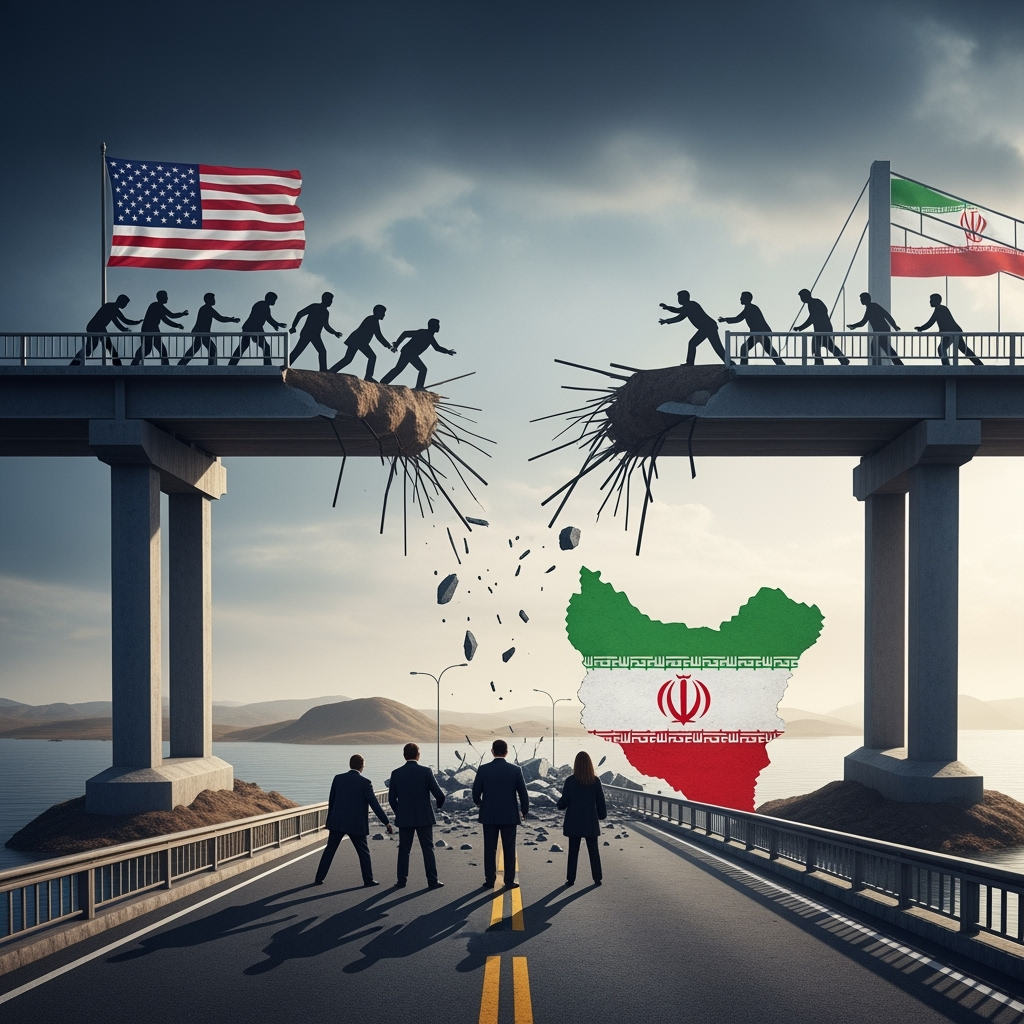
Araqchi stated on his page on the ‘X’ platform: ‘Everything that happened in New York proves that the failure of the negotiations was not a coincidence, but rather the result of a deliberate decision by the United States and the three Europeans to abandon diplomacy, based on the mistaken calculation that the Iranian people would succumb under pressure. However, persisting in these false assumptions will not resolve the ongoing unnecessary crisis.’ The minister described the European ‘troika’s’ resort to the mechanism of re-imposing international sanctions on Iran as a ‘misuse of legal procedures,’ emphasizing that UN Security Council Resolution 2231 remains valid until October 18, 2025, and thus attempts to reimpose the canceled sanctions are void.
On Friday, the UN Security Council rejected a Russian-Chinese draft resolution that called for a technical extension of the nuclear agreement (resolution 2231), in a move aimed at keeping the agreement in place for an additional six months, with a call for all parties to return to immediate negotiations. Moscow considered the project a ‘real opportunity to correct the course,’ but Western countries obstructed its adoption.
Earlier, Iranian President Masoud Pezeshkian, after returning from New York where he participated in the UN General Assembly meetings, announced that Tehran had reached a preliminary understanding with the ‘European troika’ on some issues related to the nuclear agreement and sanctions, but the American stance prevented the completion of this agreement. It is noted that Britain, France, and Germany had notified the Security Council on August 28 of the initiation of the canceled mechanism within the framework of the 2015 nuclear agreement.
Following the rejection of the Russian-Chinese draft resolution on September 19, Security Council sanctions on Iran are expected to be reinstated starting from the end of the week. The nuclear agreement was concluded in 2015 between Iran and the five permanent members of the Security Council in addition to Germany, and stipulated the lifting of sanctions in exchange for imposing restrictions on the Iranian nuclear program. However, Washington withdrew from the agreement during the tenure of former President Donald Trump in May 2018 and re-imposed the sanctions, and Tehran responded by gradually reducing its commitments, including abandoning research restrictions and uranium enrichment levels.