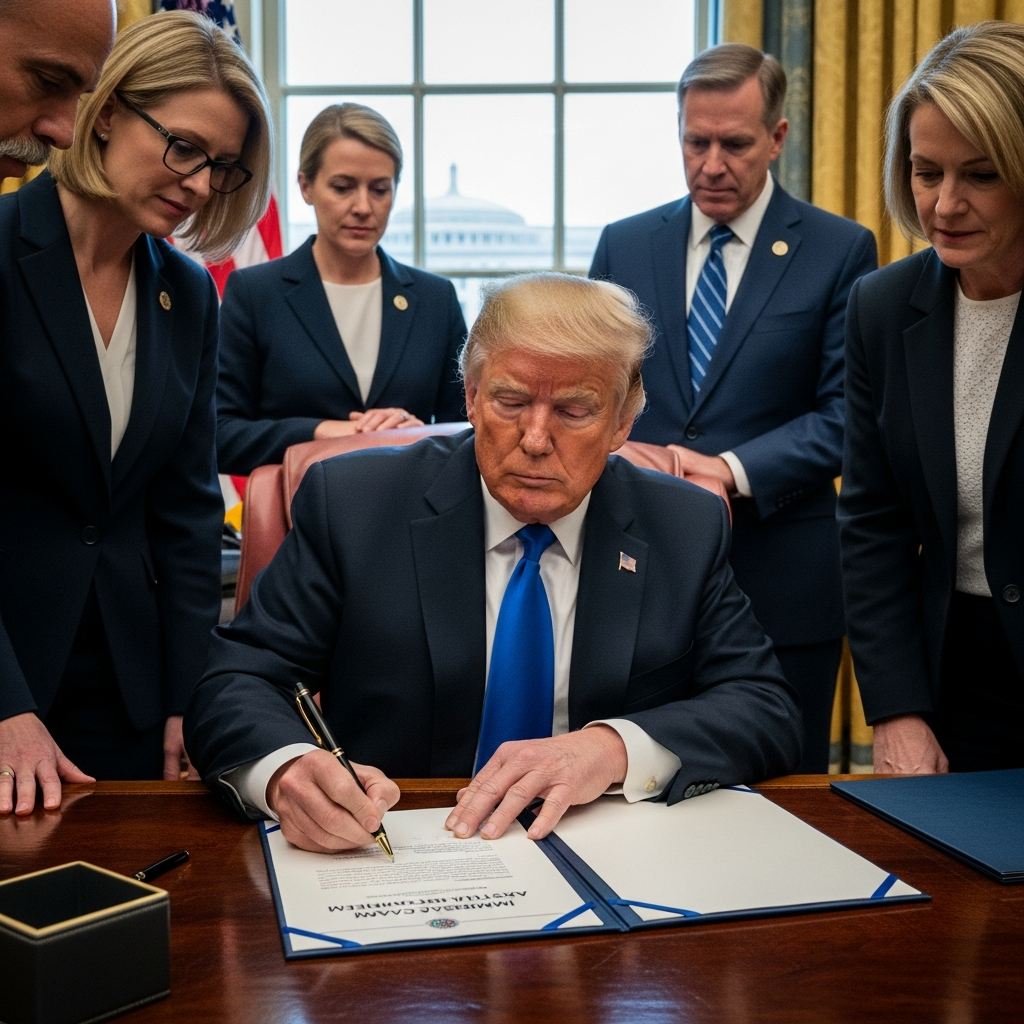
The sanctions were part of a series of punitive measures imposed by the administration of U.S. President Donald Trump, a long-time ally of Bolsonaro, who described the trial as a ‘witch hunt.’ The sanctions were imposed on Moraes in July, and Washington later targeted his wife, Vivian Barci de Moraes, and several companies linked to their family. The easing of sanctions on the couple and a company associated with the family came after efforts to mend diplomatic relations between Brazil and the United States, which dealt a blow to Bolsonaro and his family, who lobbied vigorously to overturn these measures. A senior Trump administration official told the media that ‘continuing to impose sanctions contradicts U.S. foreign policy interests.’ Moraes welcomed the lifting of sanctions, saying from Brasilia: “After months of tension, Trump and Luiz Inácio Lula da Silva, the president of Brazil, held their first official meeting in October, leading to a series of negotiations between diplomats.” As relations improved, the Trump administration last month exempted major Brazilian exports from the 40% tariffs imposed in the wake of the trial. Relations between the United States and Brazil were tense even before efforts to regulate social media platforms, temporarily halting Elon Musk’s ‘X’ platform and accounts popular with conservative voices. When the sanctions were imposed earlier this year, U.S. Treasury Secretary Scott Beisent said Moraes ‘took on the role of judge and jury in an illegal witch hunt against American and Brazilian citizens and companies.’ Bolsonaro began serving a 27-year prison sentence in November after being convicted of orchestrating a plan to thwart Lula’s assumption of office following the 2022 elections.