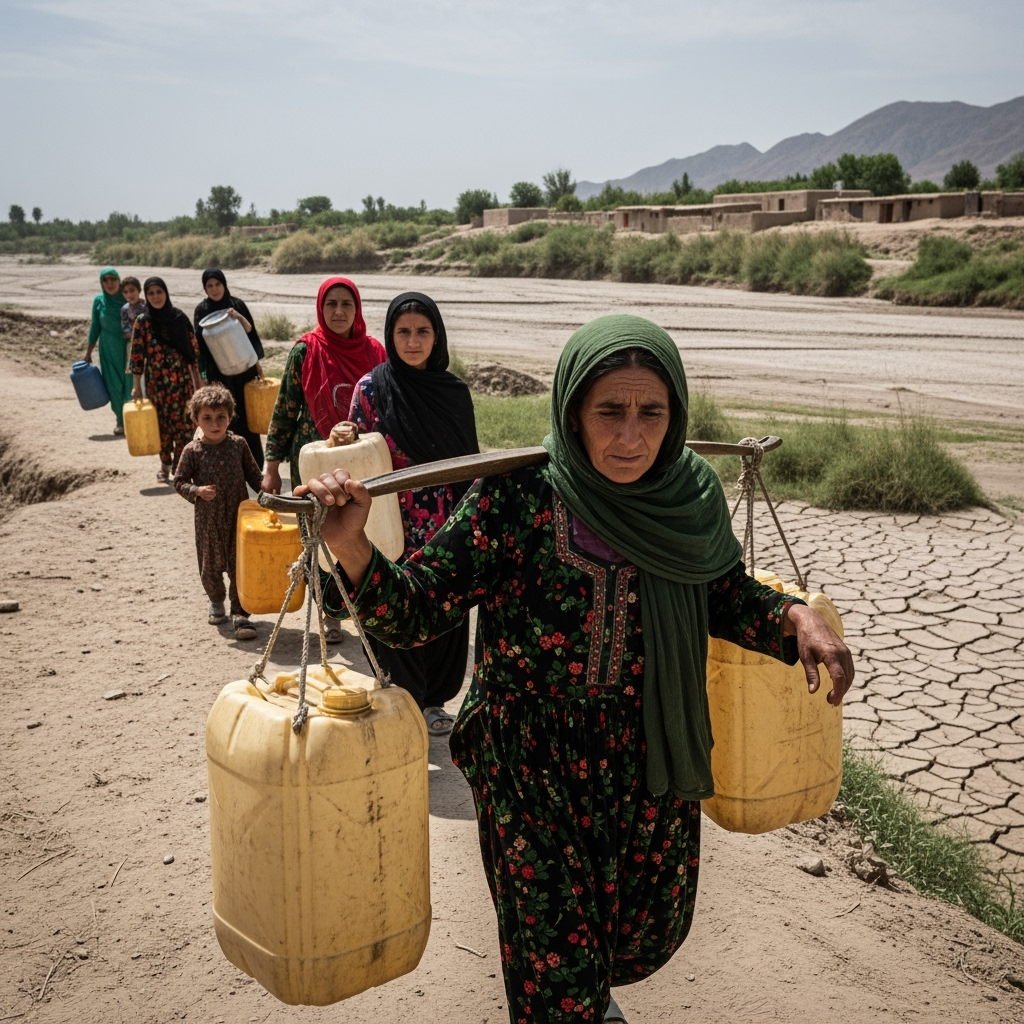
In a secluded Afghan village, women affix yellow plastic jerry cans to donkeys and journey daily through a dusty canyon to gather as much water as possible.
The containers barely suffice for drinking, much less for the hygiene needs of the approximately 30 people living in Qavriyak, in central Bamiyan province.
“There isn’t enough water for cleaning or daily showers, and we lack hygienic toilets,” said 26-year-old Masooma Darweshi.
This struggle is common in parched communities across the nation.
International organizations warn that Afghans are feeling the climate crisis through water shortages, with women particularly at risk.
Women and girls traditionally embark on these increasingly lengthy trips to fetch water, a task made harder under the Taliban regime, which restricts women’s movement, education, and employment.
In Afghan households, women are primary caregivers, responsible for children, the sick, the elderly, and domestic chores.
“Water is women’s responsibility,” Shukria Attaye, a teacher in a nearby village, told AFP.
“Cooking, washing dishes, fetching water, doing laundry, caring for kids, bathing them—it’s all on women.”
– ‘Lack of Hygiene Awareness’ –
At the top of the canyon, where a dry stream stains the sides, Attaye’s village found new fortune when Solidarites International provided clean water and toilets.
“Women used to carry large gallons on their backs, leading to back issues,” said Attaye, describing the previous 30-minute hikes for water or to wash dishes and clothes.
Children frequently fell ill from water tainted by human and animal waste, contributing to one of the highest malnutrition rates worldwide, especially among children and mothers.
UNICEF reported in May that about 31% of Afghans lack basic drinking water access, and 42% lack basic hygiene services, a burden heavily borne by girls and women.
The Taliban disputes these figures but has initiated its own water and hygiene projects, according to water ministry spokesperson Motiullah Abid.
Improving awareness and disease rates “won’t be resolved in five or six months; it requires ongoing efforts,” said Aziza Shuja, who has worked on women’s health in Bamiyan for years, conducting numerous hygiene training sessions with Solidarites International.
“Many women were previously unaware of proper hygiene,” with prevalent diarrhea and skin conditions, noted Shuja, a gynecology-trained expert.
Cultural reluctance to discuss women’s health publicly and the ban on girls’ education beyond primary school have hindered knowledge and access to female healthcare providers.
– ‘More Challenges for Women’ –
Darweshi noted that women in her village often fall ill, and reaching the nearest clinic is a long, rough journey, typically by donkey or motorcycle.
“Sometimes, during menstruation, women complain of kidney or abdominal pain,” Darweshi said, attributing it to infections from inadequate hygiene water.
Disposable pads are unaffordable for her poor family, which lacked sufficient water for crop cultivation this year.
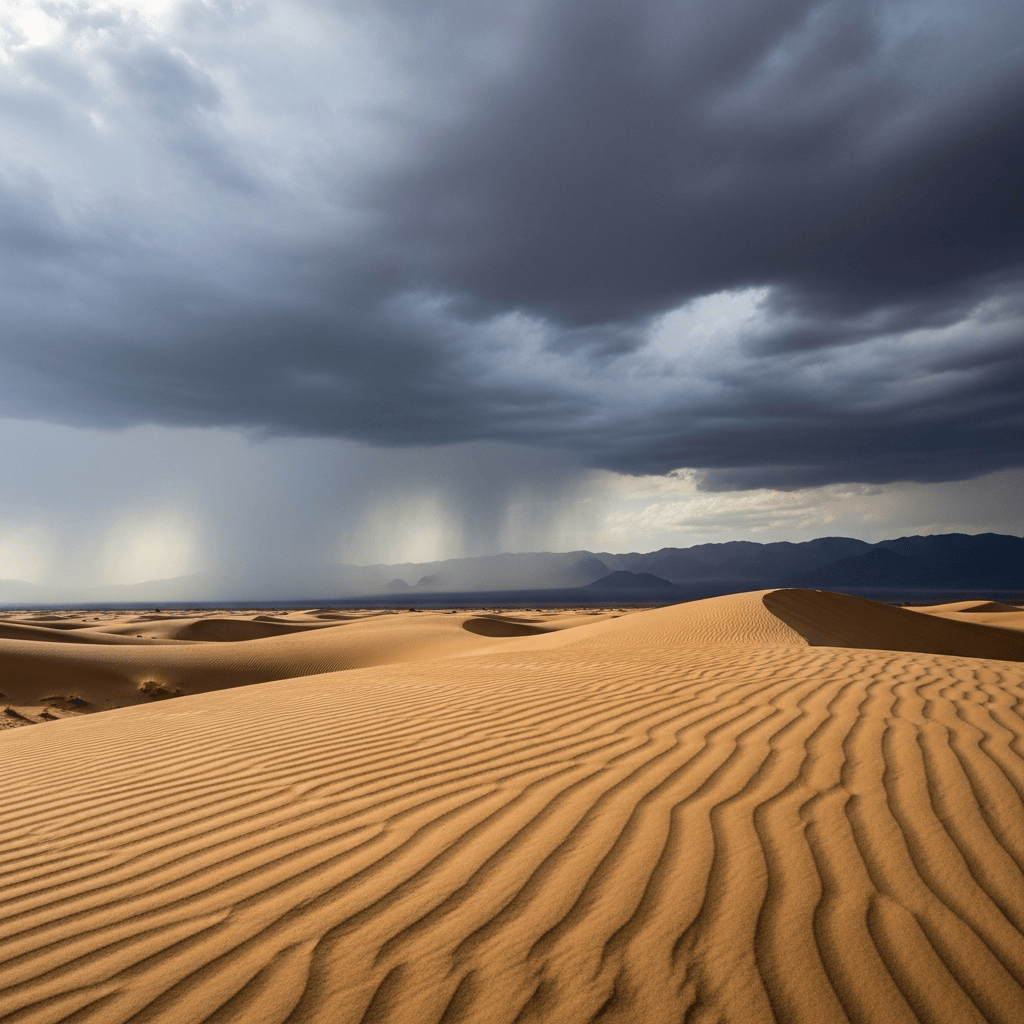
Many families teeter between survival and desperation in a nation facing severe humanitarian crises after decades of conflict, exacerbated by climate threats like droughts and floods.
In nearby Maidan Wardak province, Gol Babo and her daughter resort to cutting dirty clothes into strips for menstruation after a flash flood further limited Chinzai village’s scarce water supply.
“Women face more challenges than men,” she told AFP. “There’s only enough water to drink… Everything outside is dirty, with no water for cleaning.”