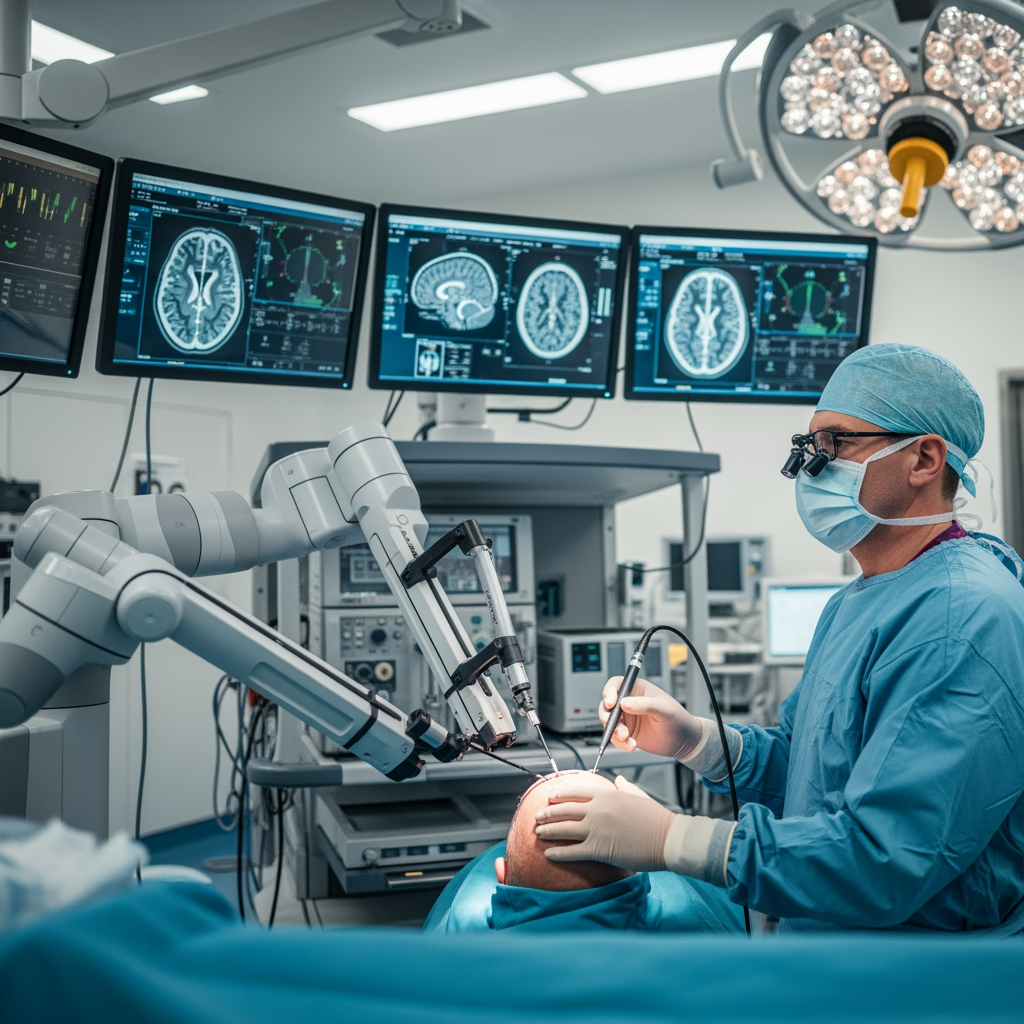
XCath, a medical device leader in neuro-endovascular surgical robotics, along with Crescent Enterprises, its largest shareholder, announced the successful first-in-human use of XCath’s EVR robotic system for treating three patients with complex brain aneurysms.
The procedures took place at The Panama Clinic in Panama City, led by Dr. Vitor Mendes Pereira and local investigator Dr. Anastasio Ameijeiras Sibauste. This is the second instance globally of a surgical robot being used for intracranial neurovascular intervention. XCath’s EVR system now stands as the sole endovascular robotic system in development that has achieved neurointerventional treatment and intracranial navigation. It also marks the debut of the world’s first triaxial neurovascular robot in treatment.
This milestone builds on the UAE’s momentum in medical technology innovation. At the Abu Dhabi Global Healthcare Week (ADGHW) in May 2024, the XCath team showcased the world’s first public demonstration of a remote mechanical thrombectomy (MT), where Dr. Pereira successfully performed the procedure from Abu Dhabi on a simulated patient in South Korea, swiftly removing a brain clot.
“XCath’s advancements highlight regional leadership in healthcare innovation,” said Neeraj Agrawal, XCath Board Member and Executive Director of Crescent Enterprises. “This milestone demonstrates how our strategic investments can deliver lifesaving impacts.”
In conditions like stroke, a leading cause of death worldwide, time is critical. Patients lose about 2 million brain cells per minute without intervention. Tele-robotics that enable specialists to be virtually present can save lives. Currently, only 2-3% of global stroke patients get access to mechanical thrombectomy when needed.
“Treating brain aneurysms requires sub-millimetric precision,” Dr. Pereira noted. “XCath’s success in these procedures shows its potential to enhance precision in complex neurovascular cases, transforming even less experienced physicians into consistent, low-risk interventionists and improving outcomes.”
Brain aneurysms are a significant health concern, with around 1 in 50 individuals having an unruptured aneurysm, often without symptoms until rupture. Aneurysm ruptures cause around 500,000 deaths annually worldwide, with half of the victims under 50. Approximately 50% of ruptures are fatal, and 66% of survivors face permanent neurological damage.
“Witnessing this landmark achievement was exhilarating. These successful procedures mark a turning point in endovascular robotics, offering hope for better outcomes in aneurysm and stroke treatment,” said Dr. Fred Moll, Chairman of the XCath Board.
“Creating replicable, precise, and accessible intracranial care is essential,” said Eduardo Fonseca, CEO of XCath. “This milestone reflects our team’s dedication and lays the foundation for viable local and telerobotic neurointerventions that enhance patient outcomes.”