When a 25-year-old social media creator entered the European Parliament and presented his case, it marked a shift in politics, moving from traditional institutions to direct representation. This was the message from Fidias Panayiotou at the Bridge Summit in Abu Dhabi, where he explored the impact of “creators becoming policymakers.”
Panayiotou, who became an independent MEP in 2024, highlights the frustration many young voters feel with conventional politics. “I felt like we had no real control. The same parties always dominated. So, I decided to be the change I wanted.”
He believes today’s democratic bodies need to evolve, providing more transparent and direct channels for citizens to influence decisions. His model in Cyprus allows anyone to apply via an app to be a candidate, with app votes determining representation. For him, this “direct democracy” approach addresses the distrust in established political parties.
Stay updated with the latest news. Follow KT on WhatsApp Channels.
“With just a phone, you can create content and reach millions,” he shared with the audience. “I applied my YouTube learnings to politics.”
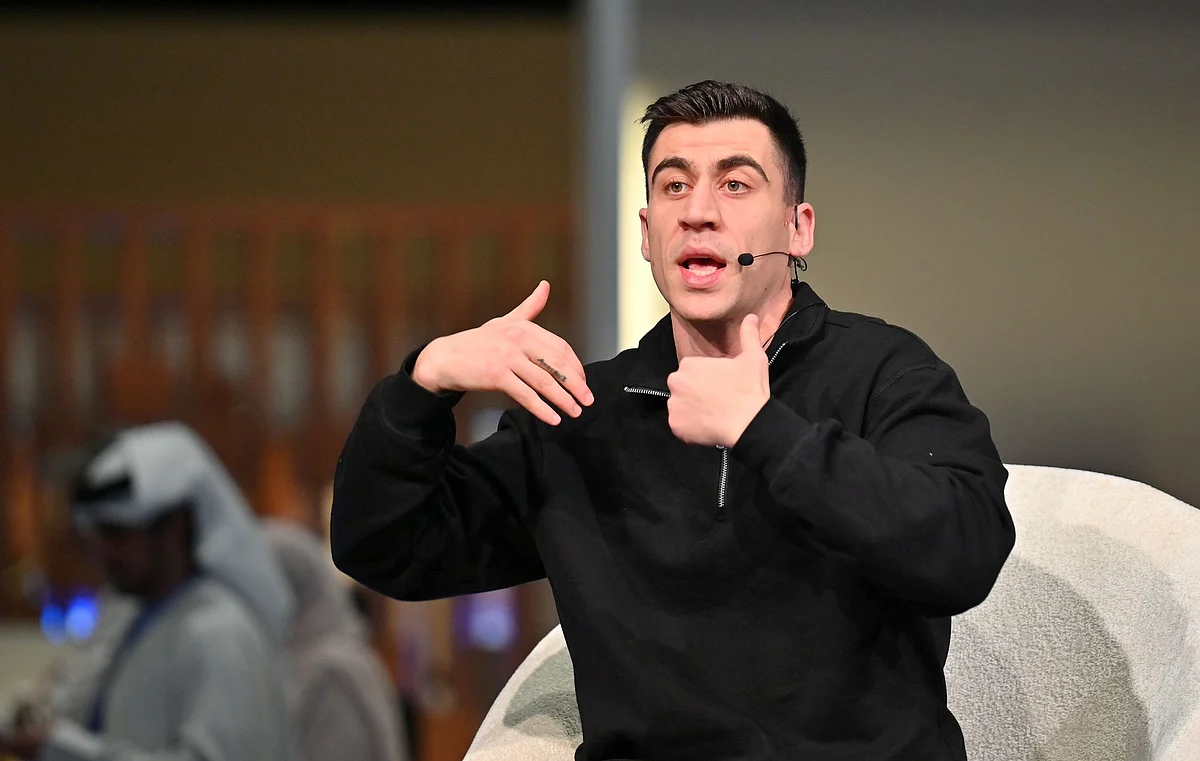
Fidias Panayiotou
Panayiotou stated, “When confidence in the system waned, I chose to be the change.” He revealed he hadn’t voted until his candidacy and encouraged young people to see that change can emerge from outside traditional frameworks.
Moderator Ted Kemp, Chief Content Officer, described this as part of a broader trend. Across Europe, a new wave of politicians is rising from social media, ready to sidestep conventional party systems. Panayiotou’s election is a testament to this shift.
Though some critics see him as a novelty, analysts point out that his success is part of a larger pattern. The 2024 European Parliament elections saw many newcomers with substantial online followings, indicating that digital influence is becoming a new political currency.
At the Bridge Summit, Panayiotou forecasted that more creators will step into policymaking roles. He argued that young people’s demand for alternative representation and political transparency could transform legislative standards across Europe and beyond.