A senior official from the Dubai Financial Services Authority (DFSA) disclosed that both he and the DFSA have been targeted by scammers using sophisticated impersonation tactics to defraud individuals.
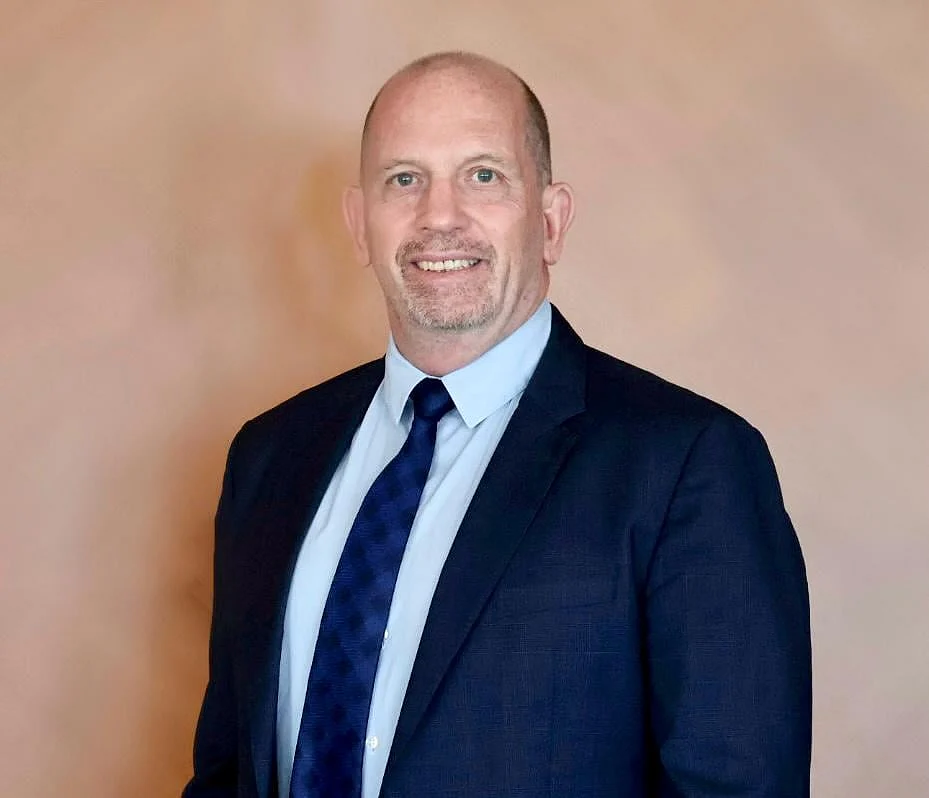
“We are frequently impersonated,” stated Patrick Meaney, the head of enforcements at the DFSA, in an interview with Khaleej Times. “Scammers often promise significant financial returns but first demand a fee. They send documents that appear to be from the DFSA, allegedly signed by me, Patrick Meaney, but these are fraudulent.”
Meaney mentioned that he often receives emails from people who mistakenly believe they need to pay the DFSA. “I respond immediately to inform them they’re being scammed,” he explained. “They usually express gratitude later, but education is vital to mitigate these risks. People must recognize the dangers and avoid trusting individuals they encounter online or through social media.”
Stay informed with the latest updates. Follow KT on WhatsApp Channels.
The increasing involvement of Artificial Intelligence (AI) in these scams was a major concern highlighted during a media roundtable discussing the authority’s enforcement outreach efforts.
During the event, Patrick expressed his worries about the growing use of advanced technologies like AI to forge documents and deceive individuals into paying fraudulent fees. “AI generates very convincing documents,” he noted. “The formatting is excellent, the logos look genuine, and the language is precise, making it appear authentic. Unfortunately, AI facilitates this.”
Regulatory actions
The DFSA is proactively combating financial fraud, with a notable enforcement action in 2024 involving Vedas International Marketing Management. The company engaged in “deceptive promotions,” falsely claiming DFSA authorization while marketing “highly speculative and risky financial products.” According to Meaney, Vedas used these strategies to lure individuals into trading risky products with promises of quick profits.
“This is a highly volatile product, marketed to retail investors with promises of large returns in a short period,” said Meaney. “While earnings are possible, losses can occur just as swiftly.”
Due to its deceptive practices, Vedas faced a $100,000 (Dh367,000) fine earlier this month for misleading cold calls. Meaney emphasized the importance of due diligence before engaging in any financial service, especially with unsolicited calls. “If you receive a cold call, don’t trust the information blindly,” he warned. “Verify that the people you’re dealing with are legitimate and hold the appropriate credentials.”
‘Name and shame’ policy
To help avoid scams, Meaney advised investors to use the DFSA’s website to verify if a company is genuinely authorized by the authority. “Check the company’s name on our website. We maintain a list of authorized firms there.”
Although regulatory actions like these represent a small fraction of the DFSA’s efforts, Ian Johnston, chief executive of the DFSA, highlighted their significance in safeguarding market integrity. “The industry benefits from a regulator with robust enforcement capabilities,” Johnston stated. “When issues arise in the market, many regulators react by imposing additional rules. This often penalizes those not at fault. It’s preferable to identify the wrongdoers and address the specific misconduct.”
Johnston also highlighted the DFSA’s “name and shame” policy, which publicly lists companies involved in fraudulent or deceptive activities. “This acts as a deterrent and sets a strong precedent for others,” he remarked, emphasizing the authority’s dedication to accountability.
ALSO READ:
Dubai authority issues Dh367,000 fine to Vedas Marketing over ‘deceptive promotions’
Up to Dh500,000 fine in UAE for misleading residents with false advertisements