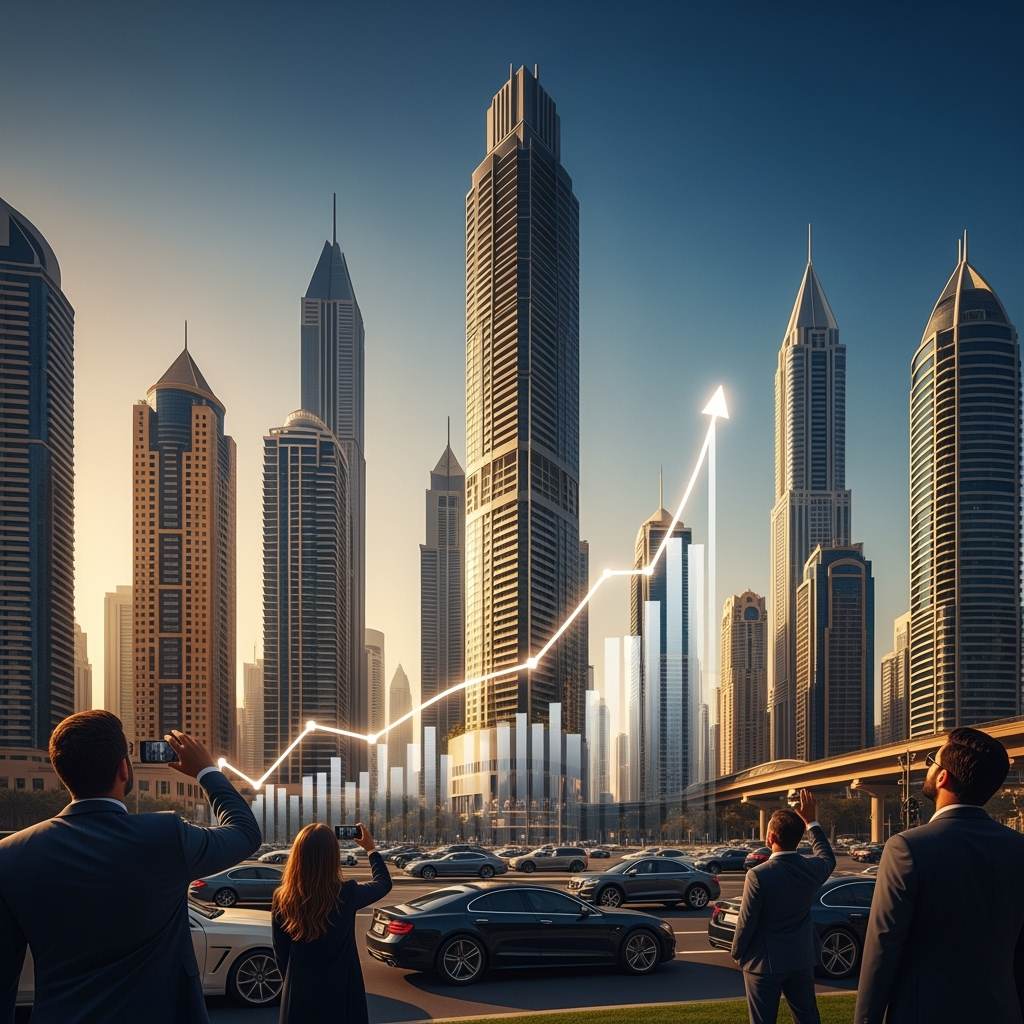
Dubai’s residential real estate market reached new heights in Q2 2025, fueled by investor confidence, growing population, and an influx of affluent individuals, according to data.
A recent Savills report highlights that the emirate saw over 50,000 residential transactions, marking a 21% year-on-year increase—the highest quarterly volume recorded.
Apartments dominated with 80% of transactions, while off-plan sales were pivotal, making up 70% of deals, rising from 68% in 2024 and 55% in 2023, showing the increasing allure of new builds.
Zone 6, including areas like Jumeirah Village Circle, Dubailand, and Damac Hills 2, was the busiest, accounting for 53% of transactions. Almost half of all new launches were in this zone, with major projects like Emaar’s Parkwood and Danube’s Timez at the forefront.
The ready market stayed strong with over 15,000 sales in completed properties. Apartments constituted 83% of these, indicating a shift towards more affordable housing. Villa and townhouse transactions remained steady at around 10,000 per quarter.
Supply surged to meet demand, with 20,000 units launched in Q2 alone—a 66% increase from the previous year. Apartments made up 91% of new launches, with future supply expected to grow through developments like Jumeirah Golf Estates Phase 2 and Jebel Ali Racecourse.
Dubai’s luxury residential segment also thrived, with over 2,500 properties sold above Dh10 million—double from Q2 2024. Villas dominated this premium market, comprising 76% of high-value transactions, with off-plan deals making up 80% of the segment. Top villa communities included The Oasis, Palm Jebel Ali, and Acres.
Approximately 6,000 units were added to Dubai’s residential stock this quarter, raising the H1 volume to 13,500. Around 20,000 units are set for completion in H2 2025, showcasing Dubai’s robust supply pipeline.
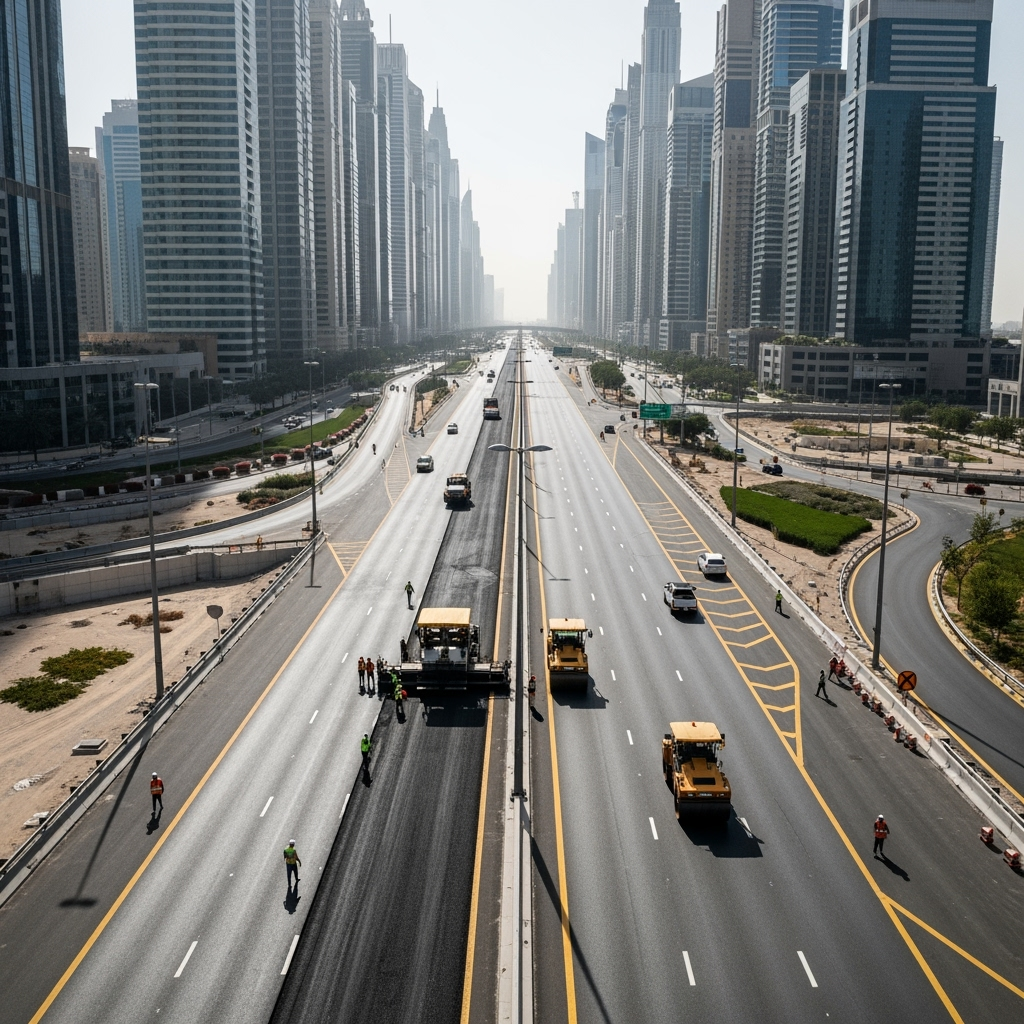
Government efforts continue to energize the market. The Dh20.6 billion Dubai Metro Blue Line, launched in May 2025, promises to enhance connectivity by 2029. Furthermore, the Dubai Land Department’s First Time Buyer Scheme offers perks like preferential pricing and flexible payment plans to boost homeownership.
Capital values remained robust, with villas appreciating by 4% overall and prime communities seeing up to a 10% rise. Apartment values stayed stable year-on-year, buoyed by luxury launches and sustained demand.
Looking forward, Dubai is expected to attract nearly 9,800 millionaires in 2025, strengthening its status as a global wealth hub. Henley & Partners’ report ranks Dubai as the top city for wealth attraction, driven by excellent quality of life, low taxes, and a strong Golden Visa program.
Despite potential global economic challenges, Dubai’s political stability, business-friendly environment, and strategic vision continue to position its real estate market for continued growth. “The emirate’s political stability, competitive regulatory landscape, and business-friendly ecosystem are expected to support ongoing population and investment inflows,” said Andrew Cummings, Head of Residential Agency Middle East, and Rachael Kennerley, Director – Research at Savills.