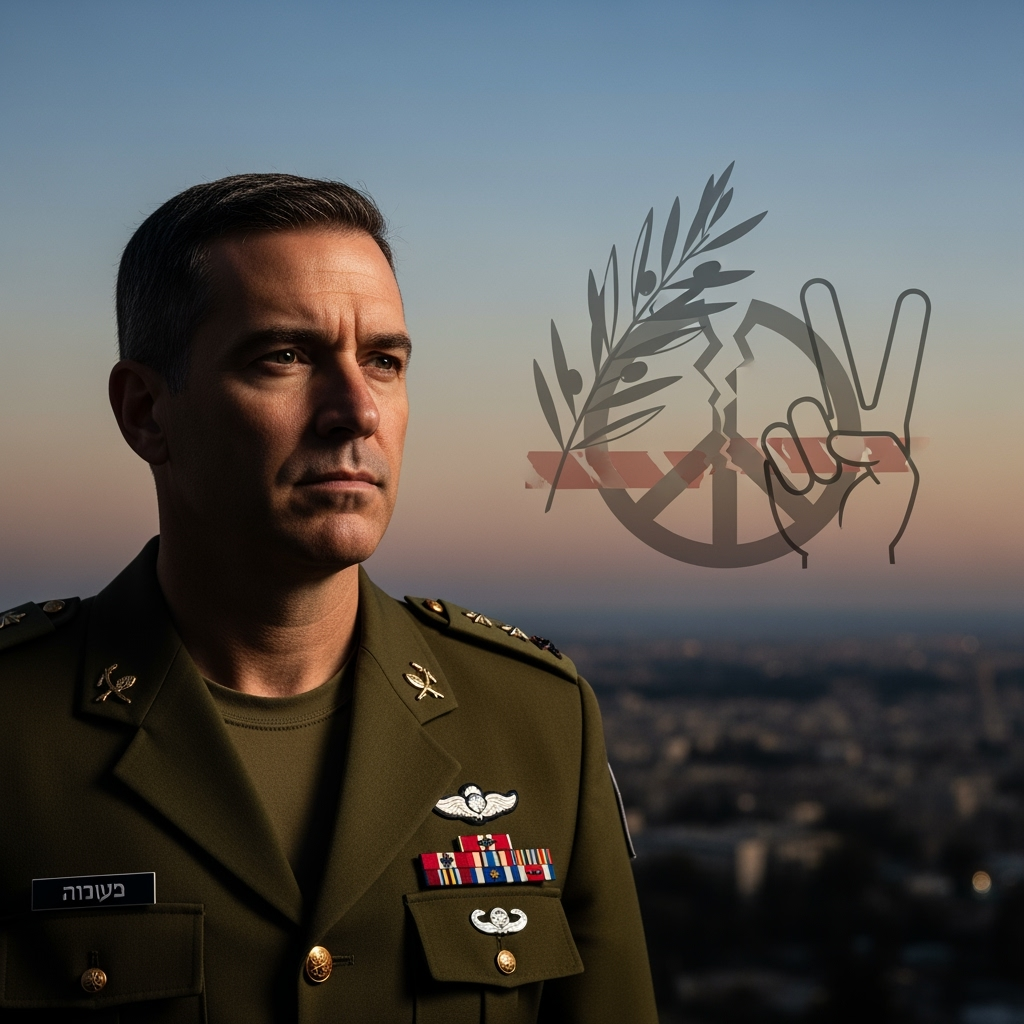
The Israeli newspaper “Jerusalem Post” reported on Saturday evening that General Eyal Zamir canceled a high-level visit to the United States that was scheduled for next Tuesday. He decided to stay in his country due to the stalled ceasefire talks in the Gaza Strip.
The newspaper explained that the visit was supposed to include participation in the retirement ceremony of General Michael Erik Kurilla at the U.S. Central Command headquarters (CENTCOM) in Tampa, Florida, and a series of meetings in Washington with senior U.S. officials.
The newspaper confirmed that the Israeli and American sides were scheduled to discuss lessons learned from the recent Israeli war on Iran, known as “Rising Lion,” and operational coordination between the Israeli and American armies.
Earlier on Saturday, the Chief of Staff of the Israeli Army, Eyal Zamir, warned that the war in Gaza would continue “relentlessly” unless the Israeli detainees in the sector were released. Zamir added, “The war continues, and we will adapt it according to the changing reality to serve our interests,” noting that the achievements give his forces flexibility in carrying out military operations.
The Israeli Chief of Staff accused unspecified parties of “creating an artificial famine in Gaza,” describing it as “a deliberate plan to accuse the Israeli army of war crimes,” holding Hamas responsible for the “suffering and killing of civilians in the sector.”
The war in Gaza erupted after an attack by Hamas on Israeli settlements and military bases on October 7, 2023, resulting in the death of 1,219 people, according to official data. In response, Israel launched a bloody war that is still ongoing, claiming the lives of more than 60,332 Palestinians, most of whom are civilians, including children, women, and the elderly.
After about 22 months of war, Gaza faces the risk of a “comprehensive famine,” according to the United Nations, as more than two million people suffer from a severe shortage of food and medicine due to the tight Israeli blockade, in one of the worst humanitarian crises in the region.