India is reconsidering its decision to remain outside the world’s largest free trade bloc as it seeks ways to mitigate the impact of steep tariffs imposed by US President Donald Trump.
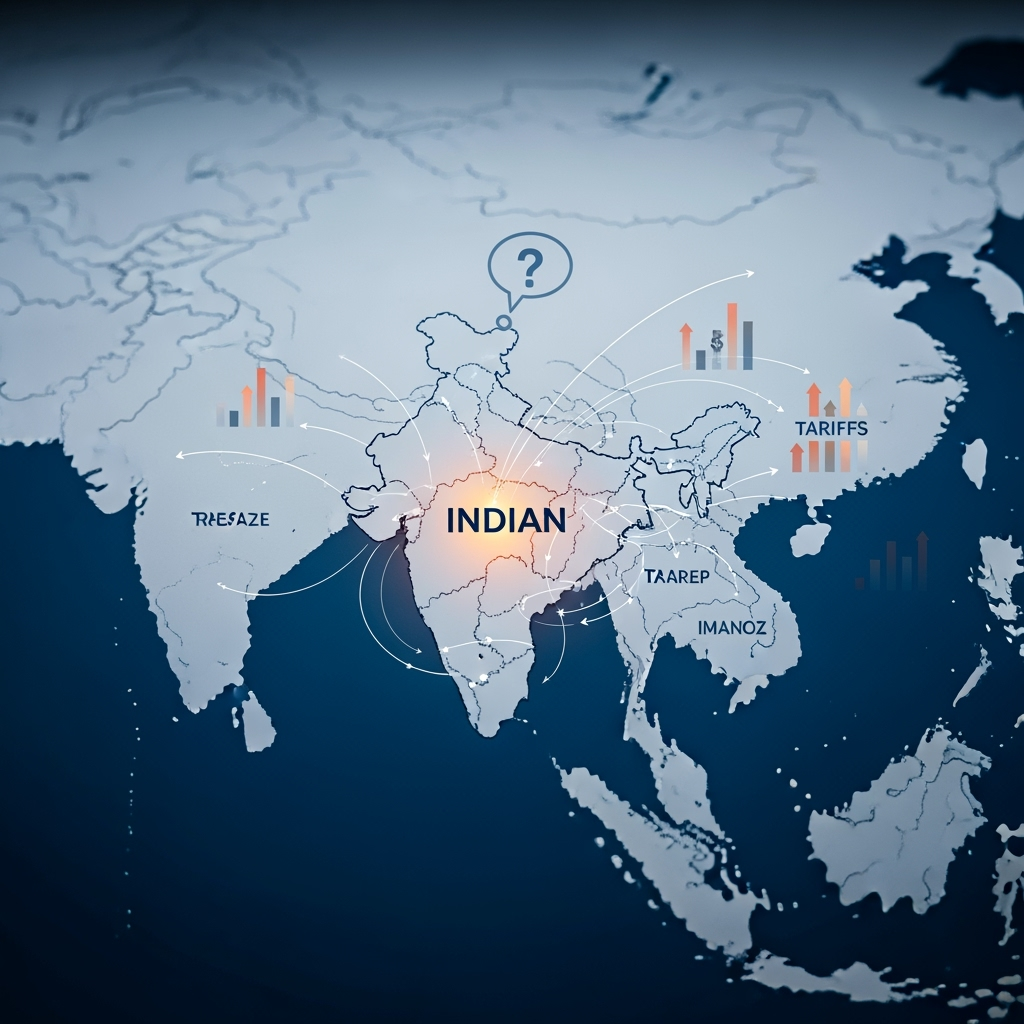
Officials in New Delhi have confirmed that discussions are underway regarding India’s potential return to the Regional Comprehensive Economic Partnership (RCEP), which it left in 2019 due to concerns about trade deficits and risks to farmers and small manufacturers.
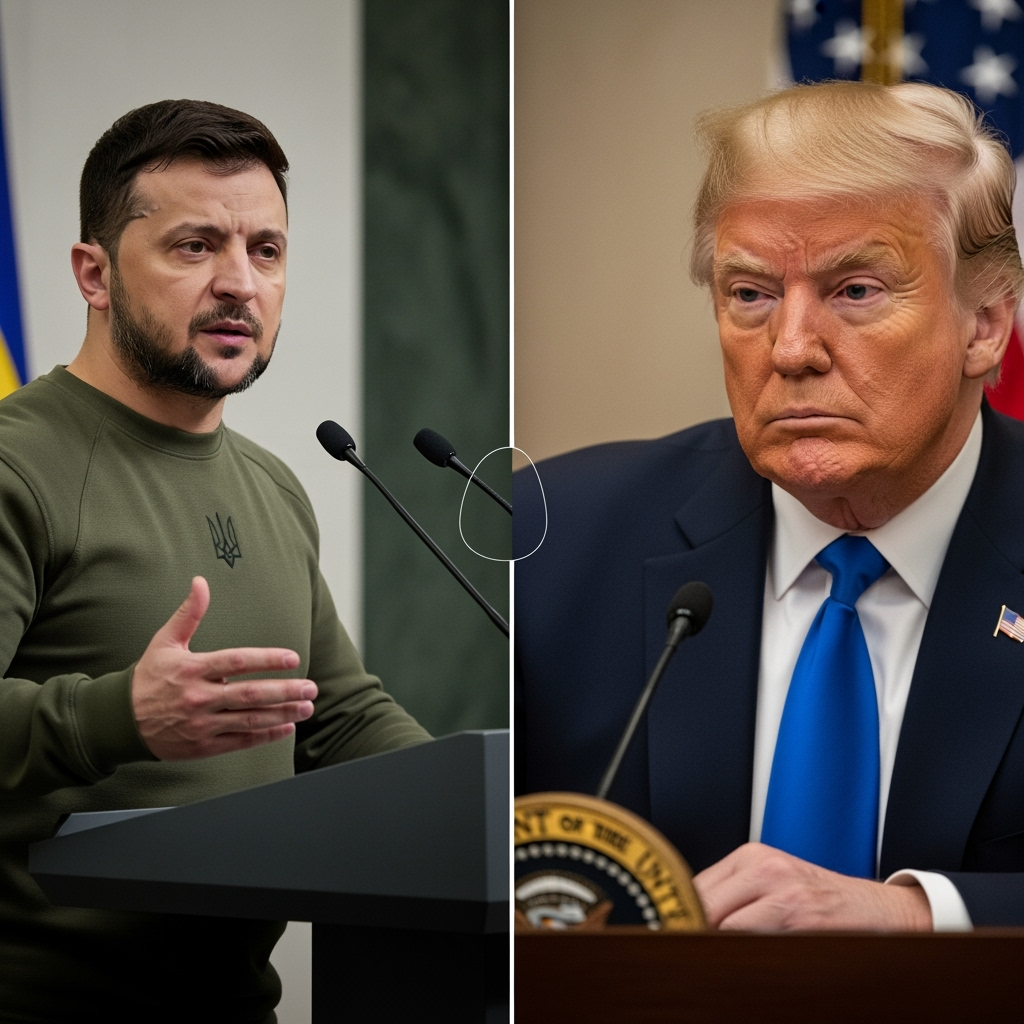
This reevaluation comes amid escalating trade tensions with Washington. The US has imposed tariffs of up to 50% on Indian exports, reacting to New Delhi’s increased purchase of Russian oil. A 25% duty is already in effect, with the remainder set to begin on August 27. With bilateral trade exceeding $190 billion at stake, Indian policymakers are exploring alternative strategies to ensure market access and diversify export destinations.
Two senior government officials indicated to local media that RCEP is again being seriously considered. “This renewed consideration is part of a broader strategy to enhance India’s trade engagement with neighboring countries, especially after strained negotiations with the US,” noted one official. The Ministry of External Affairs has tasked the Research and Information System for Developing Countries (RIS), a government think tank, with evaluating the potential impacts of rejoining the bloc.
RCEP, comprising 15 Asia-Pacific countries, accounts for 32.6% of global GDP and over 2.3 billion consumers. Members include all ten ASEAN nations, along with China, Japan, South Korea, Australia, and New Zealand. When finalized in 2020, India opted out due to fears of cheap imports flooding in from China, threats to its dairy sector from New Zealand, and challenges in securing equitable market access for Indian products. However, Japan and Singapore ensured a special provision in the agreement, allowing India the option to rejoin anytime.
For New Delhi, priorities have shifted. Exporters in pharmaceuticals, textiles, and engineering are pushing for greater access to East Asian markets to compensate for declining competitiveness in the US. Meanwhile, India’s prominent IT and services exports face significant barriers in China, a gap that deeper RCEP integration could bridge. “The current focus is on the opportunities an FTA can provide,” said Sachin Chaturvedi, director-general of RIS. “Trade compatibility, tariff structures, and evolving India-China relations must all be considered.”
Nevertheless, challenges persist. Previously, India objected to Chinese exporters using countries like Vietnam, Cambodia, and Laos to reroute goods into India, exacerbating its trade deficit. “Of nearly 14,000 tariff lines offered to China under its trade agreement with India, Beijing increasingly exploited indirect routes, creating a major issue,” explained JNU professor Srikanth Kondapalli. Any return would likely require New Delhi to secure written guarantees from both China and ASEAN partners ensuring reciprocal access for Indian exports.
Concurrently, US tariffs have heightened the urgency. Foreign Minister Subrahmanyam Jaishankar told a business forum in New Delhi that while negotiations with Washington persist, “there are non-negotiable points, especially concerning India’s farmers and small producers.” He criticized Trump’s policy announcements as “unusual” and pointed out Washington’s double standards. “If the concern is oil, there are larger buyers than us. If it’s about trade with Russia, Europe’s trade volume surpasses India’s,” he stated.
A planned visit by a US delegation to New Delhi this month has been canceled, dampening hopes of easing tensions. Analysts caution that the economic consequences could be significant. According to Capital Economics, if the full tariffs are implemented, India’s GDP growth could decrease by 0.8 percentage points this year and next. “Long-term damage could be more severe as high tariffs might undermine India’s attractiveness as a global manufacturing hub,” the firm warned.
Currently, the prospect of rejoining RCEP is at an exploratory stage. Officials emphasize that India would only return if protections for sensitive sectors are guaranteed and enhanced market access is assured. Yet, with global supply chains shifting and the US proving to be an unreliable trade partner, pressure is mounting on New Delhi to consider its options.
India’s decision will have significant geopolitical repercussions. Rejoining RCEP would deepen economic ties with East Asia, counterbalance US pressure, and potentially reset its complicated trade relationship with China. For Indian exporters facing new US tariff barriers, the decision may ultimately hinge on pragmatism: maintain domestic protections or take the risk of reintegrating into the world’s most influential trade network.