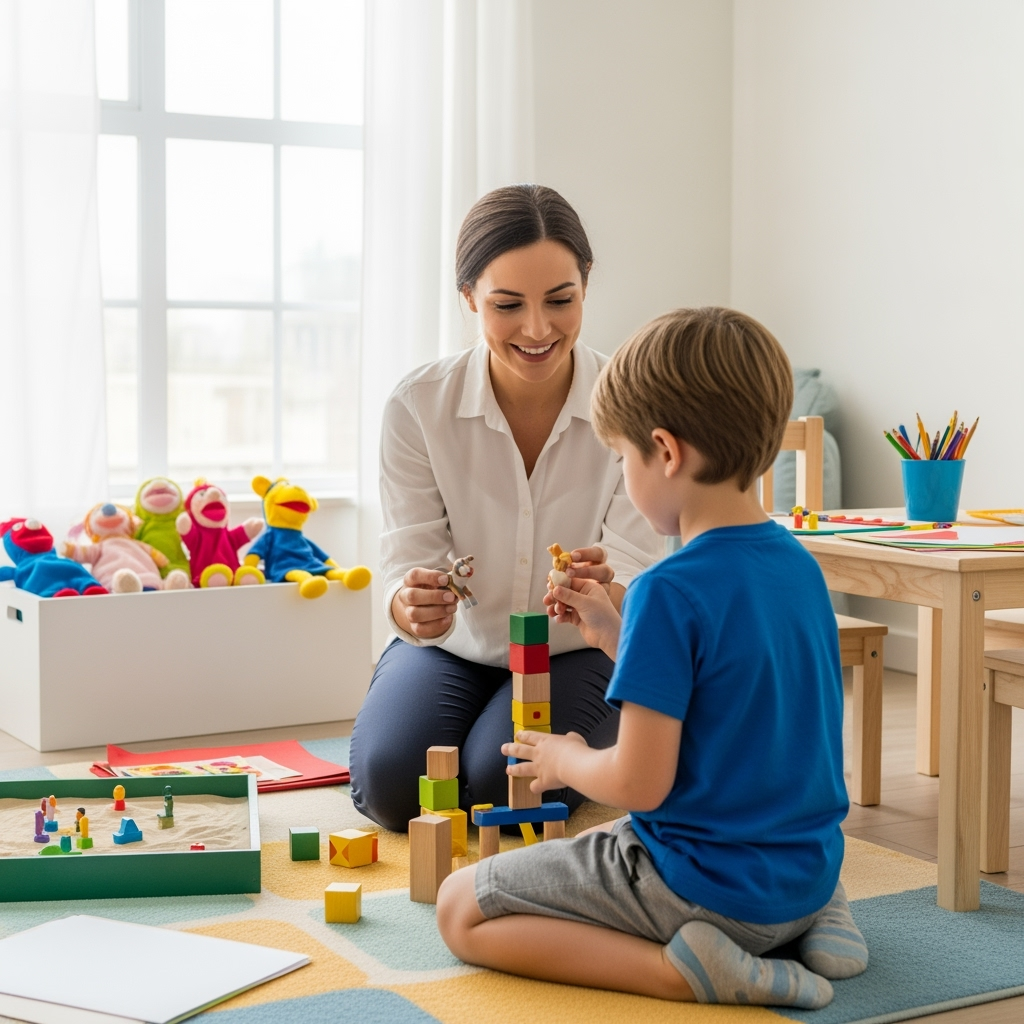
Envision a child being interrogated about abuse, facing direct questions about painful events, leading to confusion or silence. Now, picture the same child expressing their story and finding solutions through play with blocks, colors, or dolls. Play therapy, launched by the Dubai Foundation for Women and Children (DFWAC) in 2010, offers an innovative alternative to traditional therapies.
During a specialized training on ‘Play Therapy’ organized by DFWAC on Monday, Dr. Ghanima Al Bahri, Director of the Care and Rehabilitation Department, told Khaleej Times, “Play is a universal language for children, transcending backgrounds and experiences. It allows them to express emotions and confront trauma safely, without the stress of direct questioning.”
Dr. Al Bahri explained that the foundation’s therapy room is thoughtfully designed to provide various expressive means. “We offer sand and water corners, coloring and clay areas, drama and role-play with masks and costumes, as well as household tools, animals, and transportation props. These aren’t merely playthings but symbolic expression tools, helping children recall experiences and independently devise solutions.”
Stay updated with the latest news. Follow KT on WhatsApp Channels.
The program targets children aged 3 to 13. Dr. Al Bahri shared impactful stories of success: “One child initially used only black during sessions but gradually incorporated colors, flowers, and houses, reflecting their recovery progress.”
She confirmed the program’s significant impact on children’s lives: “We observed a notable decrease in issues like hyperactivity, attention difficulties, and learning challenges. Children expected to move to special education could remain in regular classes after play therapy.”
Program Benefits
-
Indirect Expression: Children can express traumatic experiences through symbolic play, such as using dolls to depict family, drawing emotions, or using sand and water to visualize scenarios.
-
Recovery and Problem-Solving: Play therapy aids children in recovering, understanding experiences, learning self-protection, expressing emotions, and developing coping and psychological flexibility.
-
Interactive and Comfortable: Sessions take longer but are safer for mental health, providing deeper and detailed information without pressure.
“Some children request similar games at home, indicating the experience’s success and their desire to continue it.”
Therapy Duration and Child Response
Response varies based on age and abuse severity. Improvements often appear after 4–5 sessions, with children becoming more open and interactive.
“Mild cases show effects after about 12 sessions. Complex cases, involving ongoing or compounded abuse, may require years for recovery and adaptation,” she added.
The therapy extends to families: “After each session, we provide parents with a list of games and activities for home practice. These steps create a supportive environment and accelerate recovery,” she added.
She noted the need to adapt with the rise of electronic games: “Electronic play can transform into group play (e.g., family challenges) with discussions to enhance cognitive and social skills.”
The Play Therapy program, held from September 22 to 24, included 17 participants from legal, health, educational, social, humanitarian, and police sectors across the country.
Khaleej Times gathered participant feedback on the training:
Latifa Nasser Al Nuaimi, a guidance psychologist at the Family Care Authority, with over seven years of experience, uses drawing analysis to uncover fears and emotions children might not verbally express. The training enhances understanding of the children’s underlying issues.
Amal Al Falasi, a psychological counselor at the General Directorate of Identity and Foreigners Affairs, combines group awareness and individual counseling. “I conduct sessions to help individuals facing stress, assist in identifying feelings, and develop coping strategies. The workshop teaches stress relief techniques adaptable for children and parents.”

Amal Al Falasi
Dana Ali Ahli, from Dubai Police Child Protection, said, “Our role includes receiving reports and working with children and families. We conduct direct interviews and meet parents if needed, especially if their mental state is affected.”
“This course helps understand the child’s experiences without direct speech. Young children may not express themselves verbally; the course teaches us to interpret their thoughts, feelings, and messages indirectly,” she added.
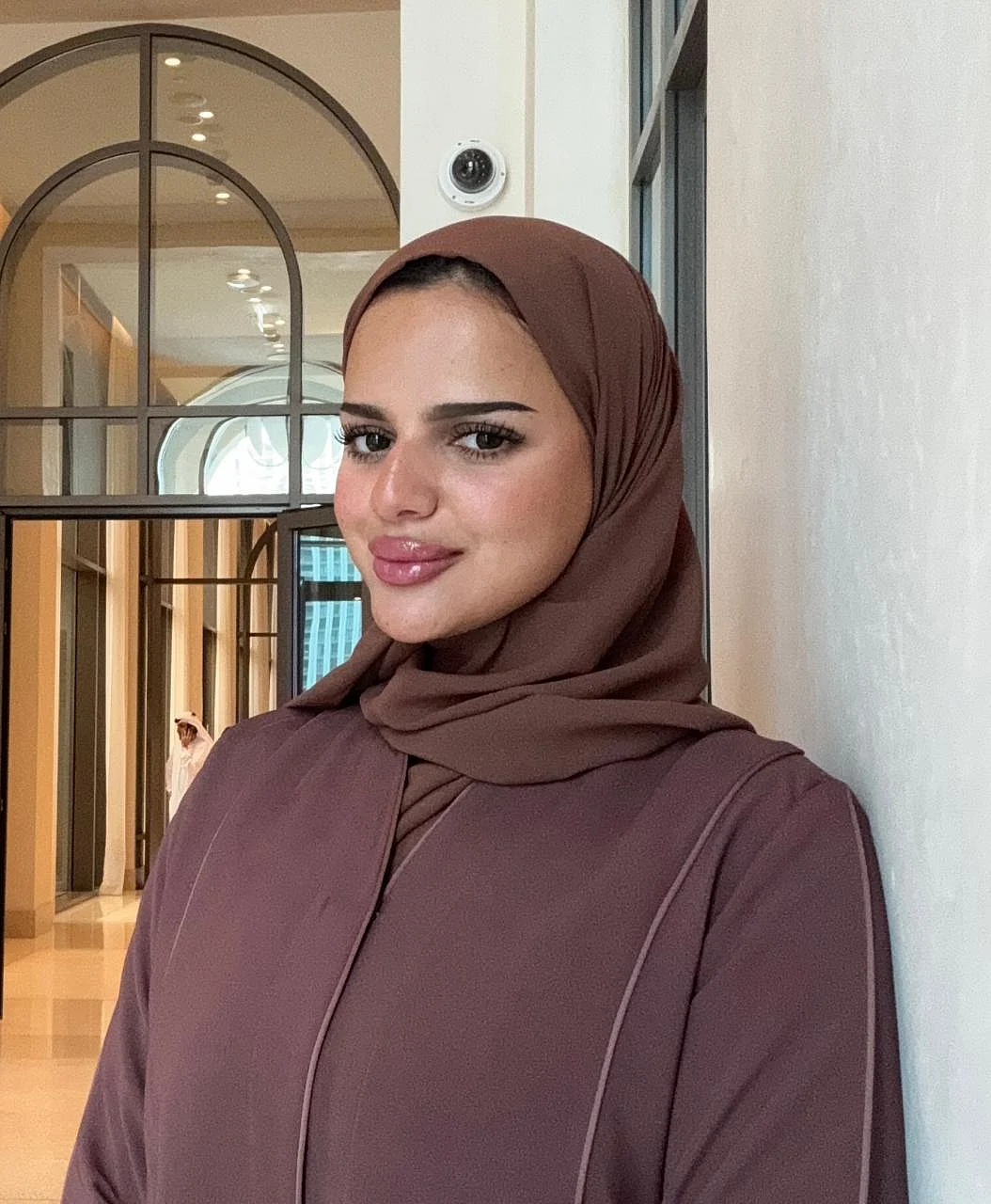
Dana Ali Ahli
Halima Hamad, Ministry of Education, Inclusion Department, said, “We assess children of determination for school integration and follow up with regular students with behavioral issues, all with parental consent. The course is valuable; it helps in discovering and treating children through play. By observing play or drawing, we can identify issues or disorders, essential for therapy.”
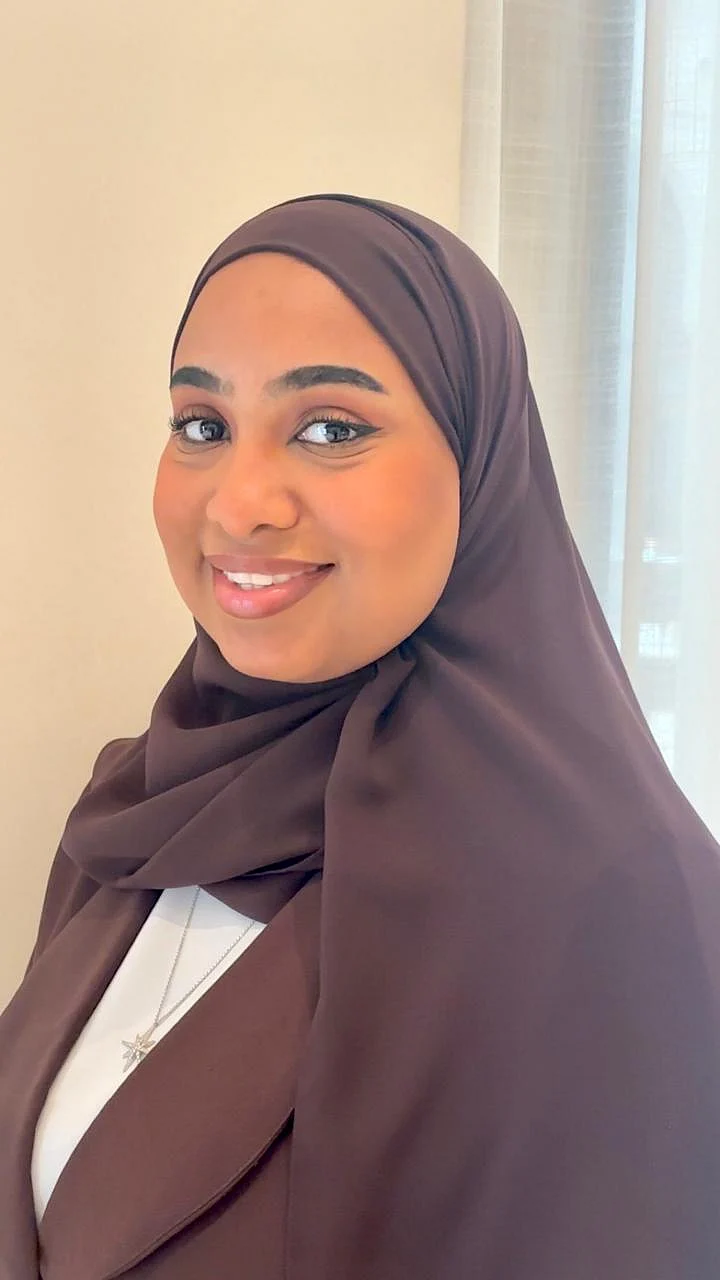
Halima Hamad
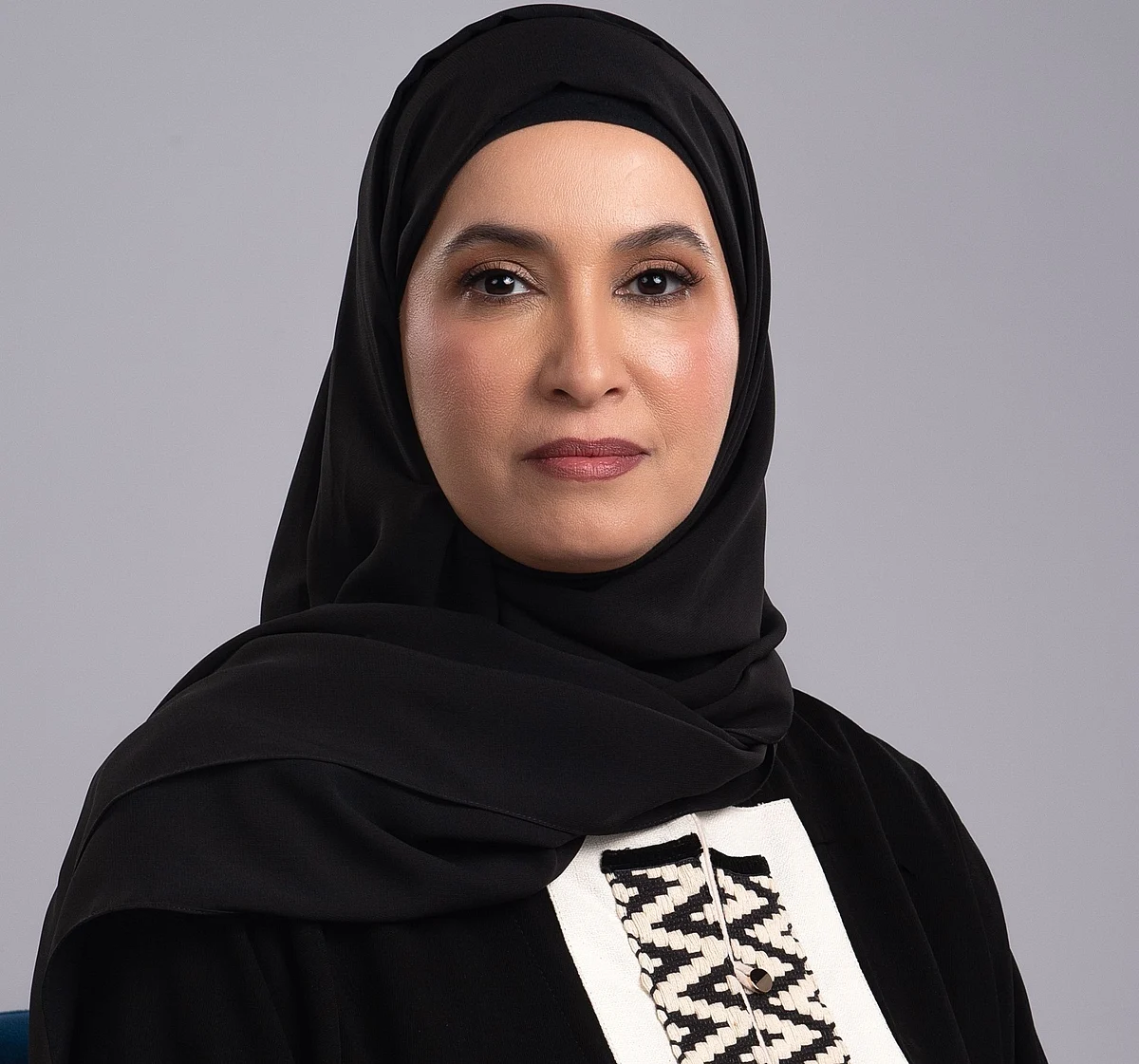
Sheikha Al Mansouri, Acting Director-General of the Foundation, told Khaleej Times, “The Dubai Foundation for Women and Children was among the first to adopt play therapy, observing its benefits in helping children regain adaptability and self-expression after trauma.”
She emphasized the course’s importance in helping children express feelings and overcome trauma. With the right tools and methods, therapists can be more effective. The program combines theory and practical application, preparing participants to design and implement play therapy strategies effectively.
Sheikha Al Mansouri