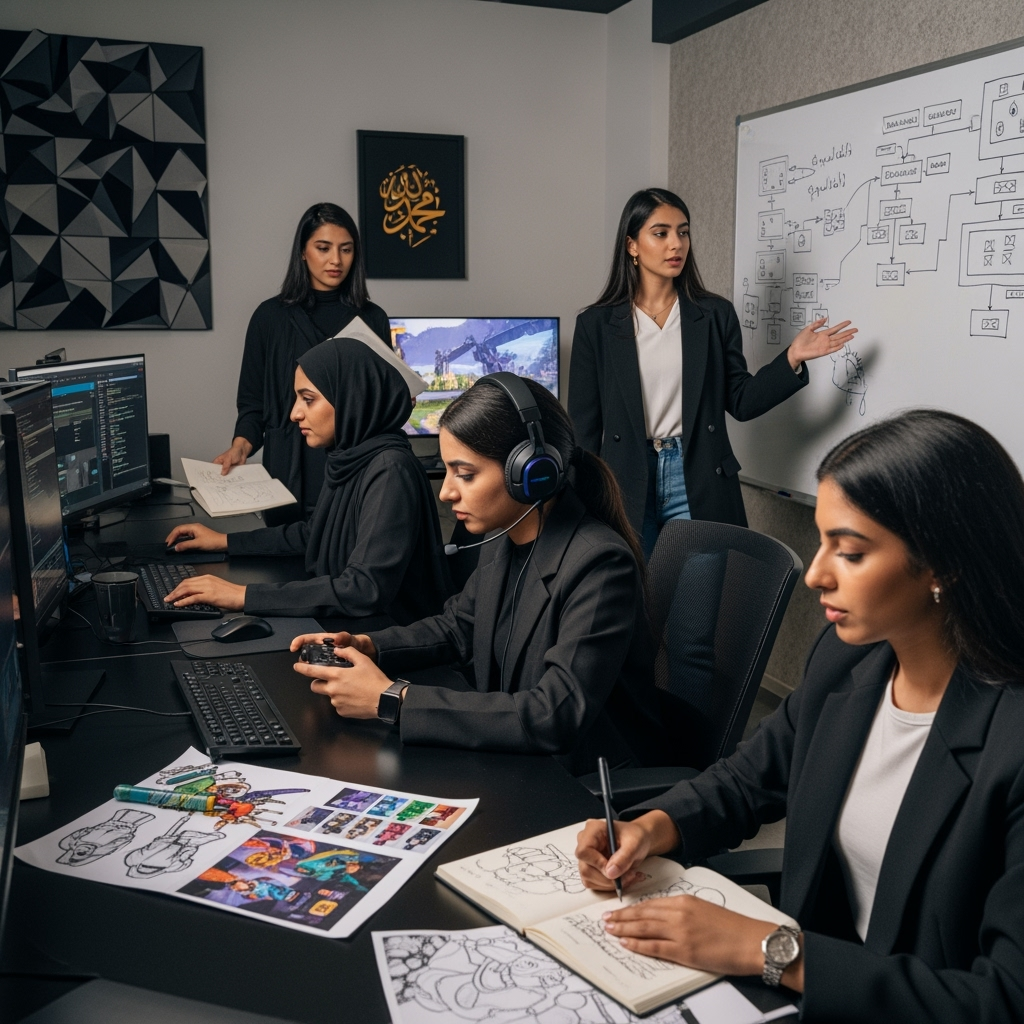
In today’s world, where adaptability, innovation, and human capital are crucial for economic advancement, the UAE stands out as a global leader in skill development and workforce competitiveness.
Recently, the UAE achieved a significant milestone by ranking first globally in 10 vital labor market and employment indicators, as per the 2025 World Competitiveness Yearbook by the IMD World Competitiveness Center. This accolade not only highlights a ranking but also underscores the UAE’s dedication to fostering an economy that empowers talent. It reflects a comprehensive strategy focused on economic diversification, proactive policies, and sustained investment in people.
Over the last 20 years, the UAE has seen a transformative journey. Previously dependent on oil, it has diversified its economy, making non-oil sectors a major GDP contributor. Yet, diversification alone isn’t sufficient. This economic shift is backed by targeted reforms enhancing labor market flexibility. Consequently, indicators like employment rates and workforce expansion have improved, showcasing a system adept at meeting changing economic demands.
Understanding the global economy’s dynamic nature, the UAE updated its labor laws to create a more agile workforce. The 2022 UAE Labor Law was pivotal, legalizing part-time work, temporary projects, remote work, and job-sharing, meeting the flexibility needs of modern workers and businesses. Flexible work models and varied work permits, including task-based and freelance options, allow employers and employees to adjust working hours and locations as needed.
Additionally, visa reforms, notably the Golden and Green Visas, offer skilled professionals long-term career opportunities, bolstering the UAE’s reputation as a global talent hub.
The UAE’s reforms aim to achieve national ambitions while maintaining balance. As new work models emerge, the government has enacted worker protections. The national unemployment insurance provides short-term support during job transitions, while enhanced end-of-service benefits and forthcoming universal health coverage aim for long-term security. These strategies demonstrate a forward-thinking approach where economic growth isn’t at the cost of worker welfare.
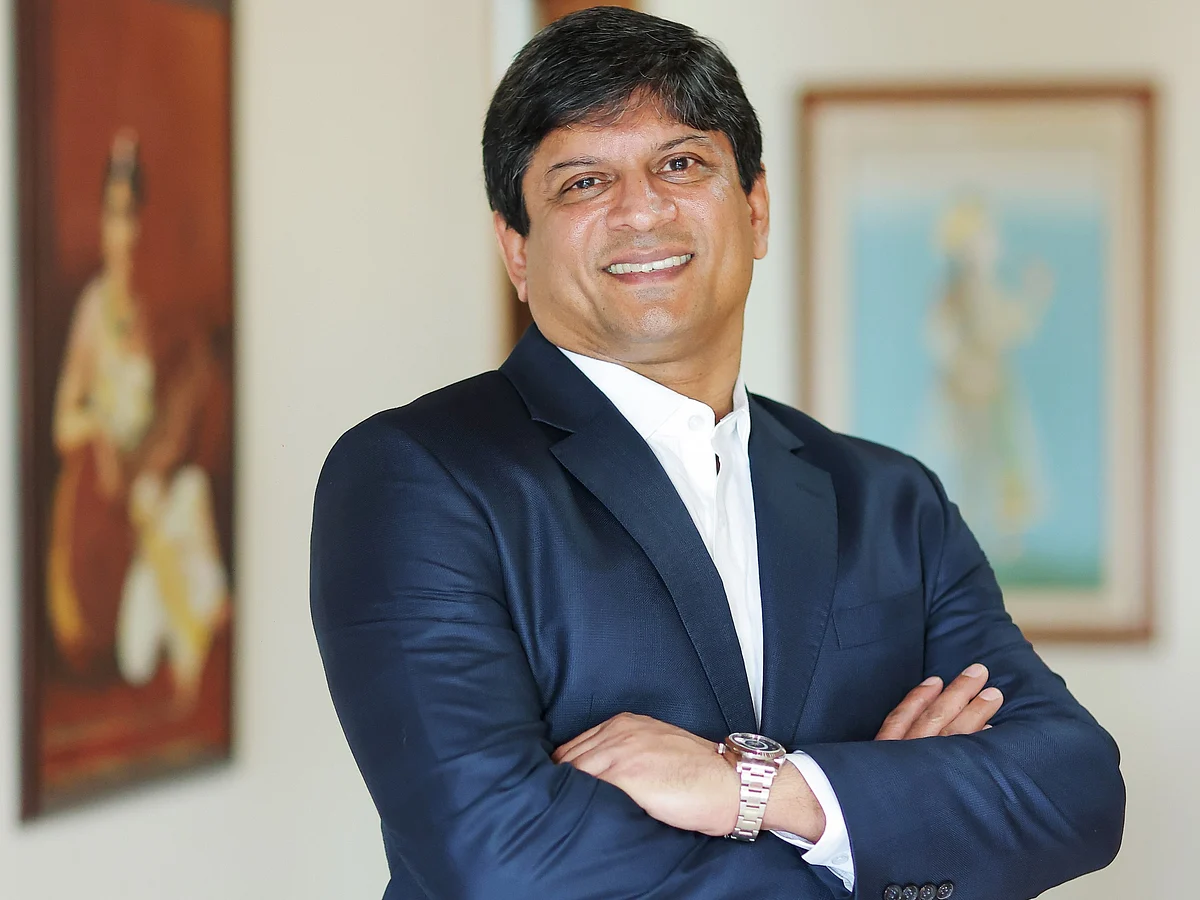
Sanjay Raghunath, Chairman and Managing Director at Centena Group
This blend of adaptability and protection fosters a dynamic yet stable labor market, aligning talent with opportunities and enabling secure careers.
The UAE’s strategy excels in recognizing that skill development transcends traditional education. Innovative policies integrate AI, coding, and digital literacy into early education, while vocational training and upskilling programs enhance the current workforce’s capabilities.
Institutions like the Mohamed bin Zayed University of Artificial Intelligence and growing vocational centers cultivate a specialized, flexible talent pool. These initiatives address immediate job needs and create a self-sustaining ecosystem aligning skills with market demands.
Boasting world-class infrastructure, safety, international connections, and a vibrant business climate, the UAE attracts international talent. The shift now emphasizes retention, acknowledging that sustainable growth hinges on nurturing and retaining talent, influencing policies and workplace culture.
The UAE’s ascent in global labor market rankings signals that it’s not just adapting to change but actively shaping it. At Centena Group, we believe ongoing investment in innovation, sustainability, and skill development will ensure the UAE’s leadership in workforce competitiveness for years to come.