The UAE’s National Rehabilitation Center (NRC) has noted a significant shift in substances young people are trying. In a Khaleej Times interview, CEO Yousef Altheeb Alketbi emphasized that while traditional drugs remain a concern, there’s a rise in the use of alternative substances marketed online as “safe” or “legal” highs.
“These could be prescription drugs or household products misused for intoxication. For teens, the line between curiosity and harm is increasingly blurred,” he said.
These so-called “legal highs” are officially known as new psychoactive substances (NPS). These chemicals mimic traditional illicit drugs but aren’t yet regulated by international drug control treaties. According to the World Health Organization, many NPS lack legitimate medical use and can cause severe harm, including acute psychosis, seizures, agitation, aggression, and potential dependence. The United Nations Office on Drugs and Crime reports NPS are now in over 150 countries, often sold under misleading names, with long-term health effects largely unknown. These substances are particularly worrisome for youth, who may see them as harmless due to their “legal” status or easy online access.
Stay updated with the latest news. Follow KT on WhatsApp Channels.
“The positive aspect is growing awareness. Schools, parents, and policymakers are now more proactive, focusing on prevention as well as treatment. Early interventions, honest conversations, and tailored education are helping shape a generation that’s better informed and more cautious,” Altheeb said.
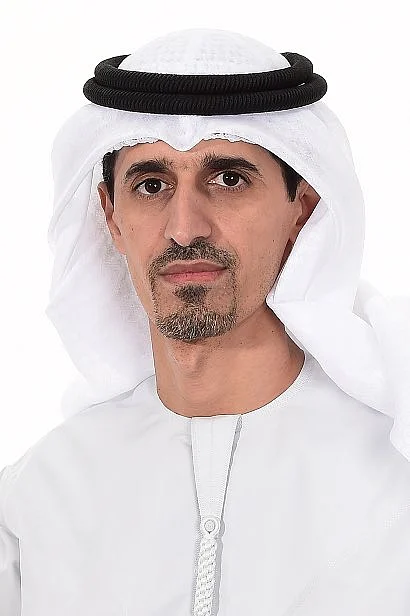
Photo: Yousef Altheeb Alketbi
Adolescents at risk
The most notable changes in substance use are among adolescents and young adults. “This is a stage of exploration, identity building, and decision-making, all while facing peer pressure, which can increase vulnerability to substance use.”
However, the NRC sees this not just as a risk, but as a “key opportunity for prevention.”
He highlighted family support’s importance in prevention strategies. “When youths have the right tools, guidance, and family support, they’re much more likely to make healthy, informed choices that last a lifetime. That’s why youth and families remain central to our prevention strategies.”
The mental health conversation in the UAE has evolved in recent years. Awareness is higher, stigma is lessening, and people are more willing to seek help early.
“This change directly benefits our work, as substance use disorders often link to underlying mental health issues like anxiety, depression, or trauma. By having open conversations, we can tackle these issues together rather than separately. Growing public acceptance also means families, schools, and workplaces are more willing to collaborate with us, building stronger prevention networks. In many ways, this cultural shift is helping normalize the idea that recovery and mental well-being are shared responsibilities, not individual burdens.”
Culture and community
Unlike traditional addiction programs, NRC tailors its model to the UAE’s cultural and social context. Altheeb explained that while the center follows international, evidence-based standards, it adapts them to reflect local culture, values, and family structures. Unlike programs focusing mainly on the individual, NRC places equal emphasis on family involvement, community support, and reducing stigma.
“UAE cultural and social values are central to how we design and deliver our rehabilitation strategies. Our approach is holistic and family-inclusive, reducing stigma and encouraging active participation from individuals and their loved ones in the recovery process,” Altheeb said.
Recovery and care
Recovery is not just about medical treatment, the CEO emphasized. “From the moment someone enters our doors, we take the time to listen to them, to their family, and to understand their needs. Our multidisciplinary team of psychiatrists, psychologists, and social workers collaborates to create a personalized plan that could include detoxification, inpatient treatment, or outpatient treatment, depending on the situation.”
“We know addiction isn’t solely a medical issue; it’s emotional, social, and often spiritual, so we make sure our programs also focus on recreation, physical wellness, and vocational training.”
Altheeb stressed that lasting recovery requires more than completing a program. NRC’s personalized care addresses not just substance use but also underlying mental health, social, and environmental factors. Family and community involvement are crucial, and ongoing follow-up ensures support continues beyond discharge. “Too many people relapse because support ends too soon. At NRC, we extend care well beyond discharge, which helps people rebuild identity, purpose, and resilience,” he said.
Awareness, prevention
The NRC’s outreach includes awareness programs in schools, workplaces, and communities. In 2024, NRC conducted over 107 awareness activities in partnership with public and private institutions. A nationwide campaign under the theme “From Prevention to Recovery” emphasizes informed awareness as a first line of protection.
Teacher training is also central to NRC’s prevention strategy. Over 60 teachers were trained in 2025 to recognize early signs of substance use and apply appropriate interventions, with a structured follow-up mechanism to track effectiveness. These efforts, combined with early interventions, honest conversations, and tailored education, aim to create a generation that is more informed and resilient.
A global role
Since 2017, NRC has been recognized as a WHO Collaborative Centre for substance use prevention and treatment, aligning its work with international standards and sharing expertise across the Eastern Mediterranean Region. NRC has also hosted high-level policy dialogues, contributing to evidence-based strategies and regional capacity building.
Altheeb highlighted the launch of the National Anti-Narcotics Authority in August 2025 as a significant milestone, integrating prevention, law enforcement, and healthcare strategies under one federal body. “That means shared data, aligned policies, and stronger cross-agency collaboration, which directly improves how people get help and remain on the path to recovery,” he said.
The UAE’s healthcare system is also advancing to support more coordinated addiction care. Investments in AI, telehealth, and unified health records are creating a “smart health system” that allows earlier risk identification, smooth patient transitions between services, and personalized, data-driven treatment pathways. Advanced tools will increasingly help predict relapse, monitor recovery progress, and guide targeted outreach, connecting prevention, treatment, and recovery in one integrated ecosystem.