American socialist William H. Whyte noted, “It is challenging to create a space that won’t attract people. What’s remarkable is how this has been achieved.”
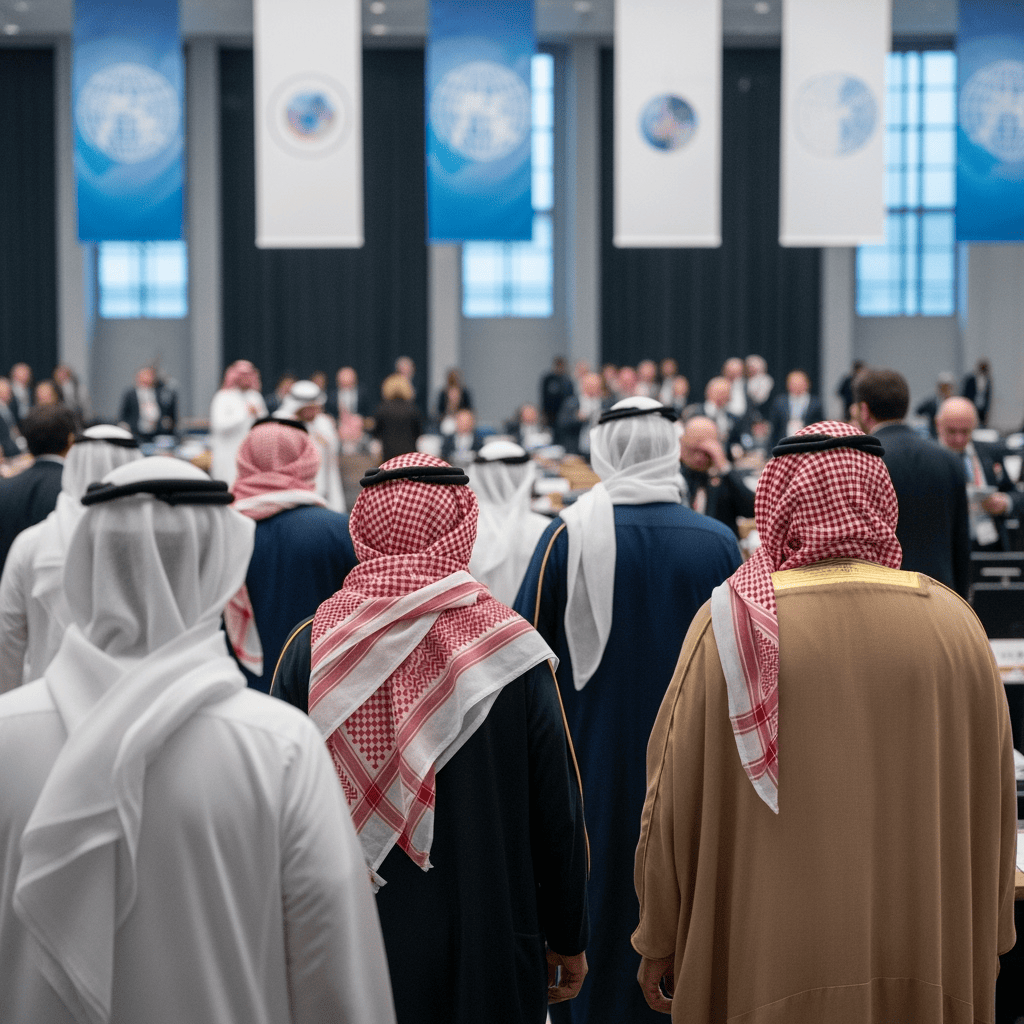
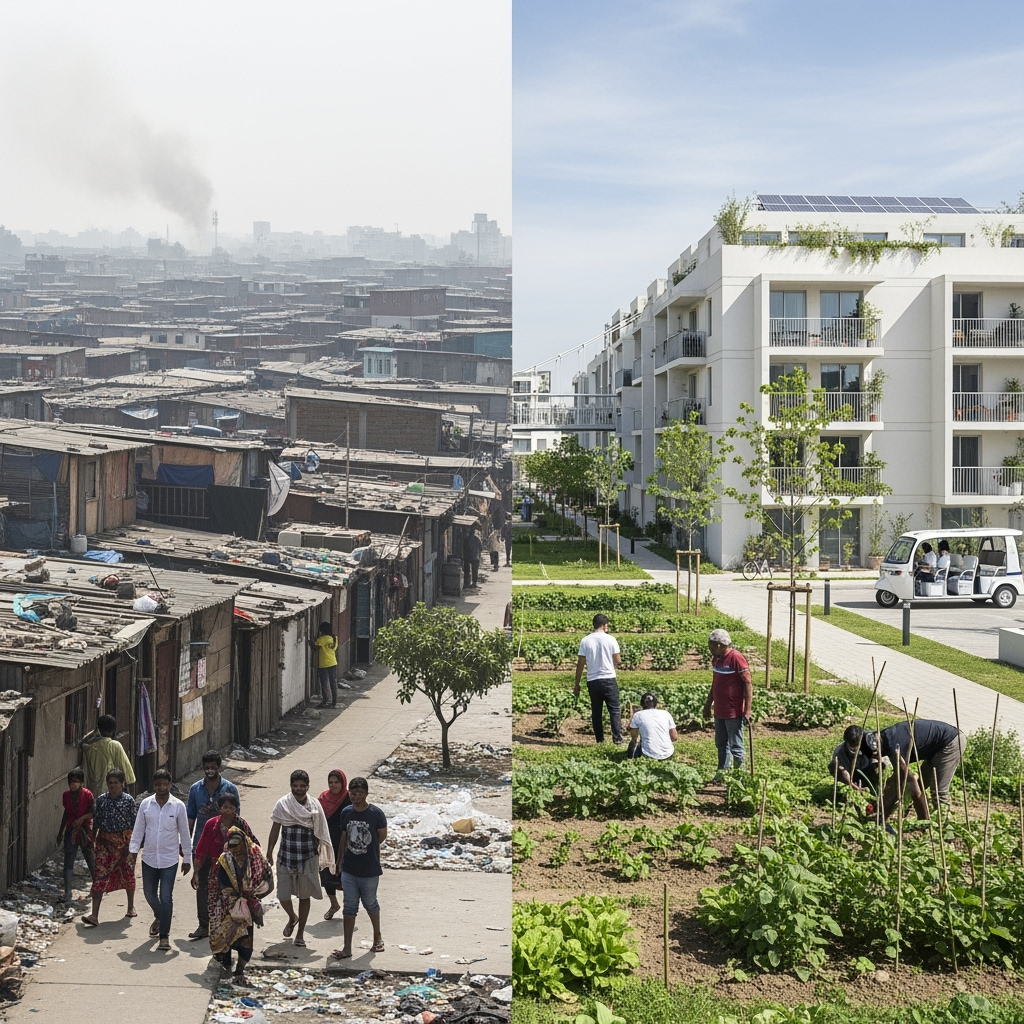
These words resonate in the context of the Global South, which includes countries with colonial histories in Africa, Asia, Latin America, and parts of the Middle East, where urbanization is a defining phenomenon of the 21st century. Unlike the industrially driven growth of the Global North (Europe, North America, and parts of East Asia), these cities often lack governance, infrastructure, and economic support.
By 2050, the Global South is projected to experience a 90% increase in the world’s urban population, making it crucial to examine the challenges it faces and explore innovative, context-sensitive solutions.
Research Findings
Studies reveal the scale and speed of urban expansion, highlighting cities like Dhaka (Bangladesh), Lagos (Nigeria), and Mumbai (India) as some of the fastest-growing urban centers, each with populations exceeding 20 million. In Sub-Saharan Africa, a 64% population increase is expected by 2030, compared to 32% in East Asia and 22% in South Asia.
Currently, over 60% of Africa’s urban residents live in informal settlements lacking clean water, sanitation, and secure housing. Infrastructure deficits include inadequate roads, sewage systems, and electricity. For instance, in Kinshasa, Democratic Republic of Congo, only 10% of roads are paved, and power outages are frequent, while in Nairobi (Kenya), water access is a major issue, with half the population relying on informal water vendors.
Urban poverty and inequality plague countries like Bangladesh, Mexico, and Nigeria, where urban poverty surpasses rural poverty, and slums exist beside affluent neighborhoods, creating stark spatial imbalances. Rapid urban growth leads to environmental degradation, deforestation, air and water pollution, and biodiversity loss.
Delhi (India) and Jakarta (Indonesia) exemplify cities with severe air quality issues, where PM2.5 levels often exceed safe limits.
Another concern is climate vulnerability in regions where informal settlements are located in high-risk zones with little infrastructure resilience. Coastal cities such as Manila (Philippines), Dhaka, and Lagos are highly susceptible to flooding and rising sea levels.
Many cities lack coherent urban planning frameworks, fragmented governance, and limited fiscal autonomy, hindering effective service delivery. It’s crucial to find a balanced approach to address these shortcomings.
Participatory Planning
Some cities have overcome these challenges with determination and innovative approaches. Porto Alegre in Brazil pioneered participatory budgeting, allowing citizens to influence municipal spending. This model has been adopted in cities across Latin America and Africa, enhancing transparency and responsiveness.
In Cape Town, South Africa, the integrated development plan involves upgrading informal settlements with basic services while preserving community networks. Similarly, Bangkok’s Baan Mankong program in Thailand supports community-led housing improvements with government support.
Nairobi (Kenya) and Accra (Ghana) are utilizing Geographic Information System (GIS) mapping and mobile data to plan infrastructure and monitor informal settlements. Meanwhile, smart city initiatives in Bengaluru (India) and Jakarta aim to improve service delivery through digital platforms.
Cities in Colombia, like Medellín, have transformed urban mobility with innovations like the Metrocable, a cable car network connecting hillside slums to the city center, reducing commute times and improving access to jobs and homes. Bogotá’s TransMilenio bus rapid transit system is a global model for affordable and efficient urban mobility.
Encouraging secondary cities and decentralization can ease the burden on megacities. In India, Indore and Surat have emerged as innovation hubs, offering better livability indicators than larger metros and being recognized for their green practices.
Nature and Equity
The complex challenges of climate change and biodiversity loss require solutions rooted in ‘nature and equity.’ This approach emphasizes conservation’s strategic value in achieving environmental goals. Reforestation, agroecology, and biodiversity corridors should be prioritized to enhance the ecological perspective. The role of indigenous knowledge and cultural values in fostering ecological resilience is often overlooked.
Nature and equity approaches address historical injustices in conservation. The need for equitable conservation is driven by public concerns over global inequalities. Acknowledging local environmental knowledge, rights, and practices and amplifying marginalized voices are vital for achieving better outcomes.
In green infrastructure and climate adaptation, Taipei in Taiwan has implemented permeable pavements, urban tree planting, and solar mandates to combat heat and flooding, while Kampala, Uganda, invests in wetland restoration to manage stormwater and enhance biodiversity.
Steering Policies
Global concerns and examples highlight the urgency and potential for urban transformation. The primary necessity for change is fiscal empowerment, granting local governments greater financial autonomy to adopt long-term, inclusive planning that aligns housing, transport, and environmental goals. Policy formulation should focus on job creation, education, and healthcare for marginalized urban populations.
Regarding climate resilience, urban development must integrate adaptation strategies in vulnerable coastal and flood-prone areas. International cooperation is essential for capacity building, technology transfer, and financing sustainable development, as many countries struggle to manage environmental challenges alone.
Urbanization in the Global South is more than a demographic trend—it’s a profound transformation of space and society. While cities drive economic activity, they should also be seen as living ecosystems where equity, sustainability, and culture converge.
Cities should not just be built of concrete and steel; they must be woven from the aspirations of people. In the Global South, these aspirations are rising swiftly and are deeply rooted in historical context.