US-Venezuela Tensions: Military Moves and Global Reactions
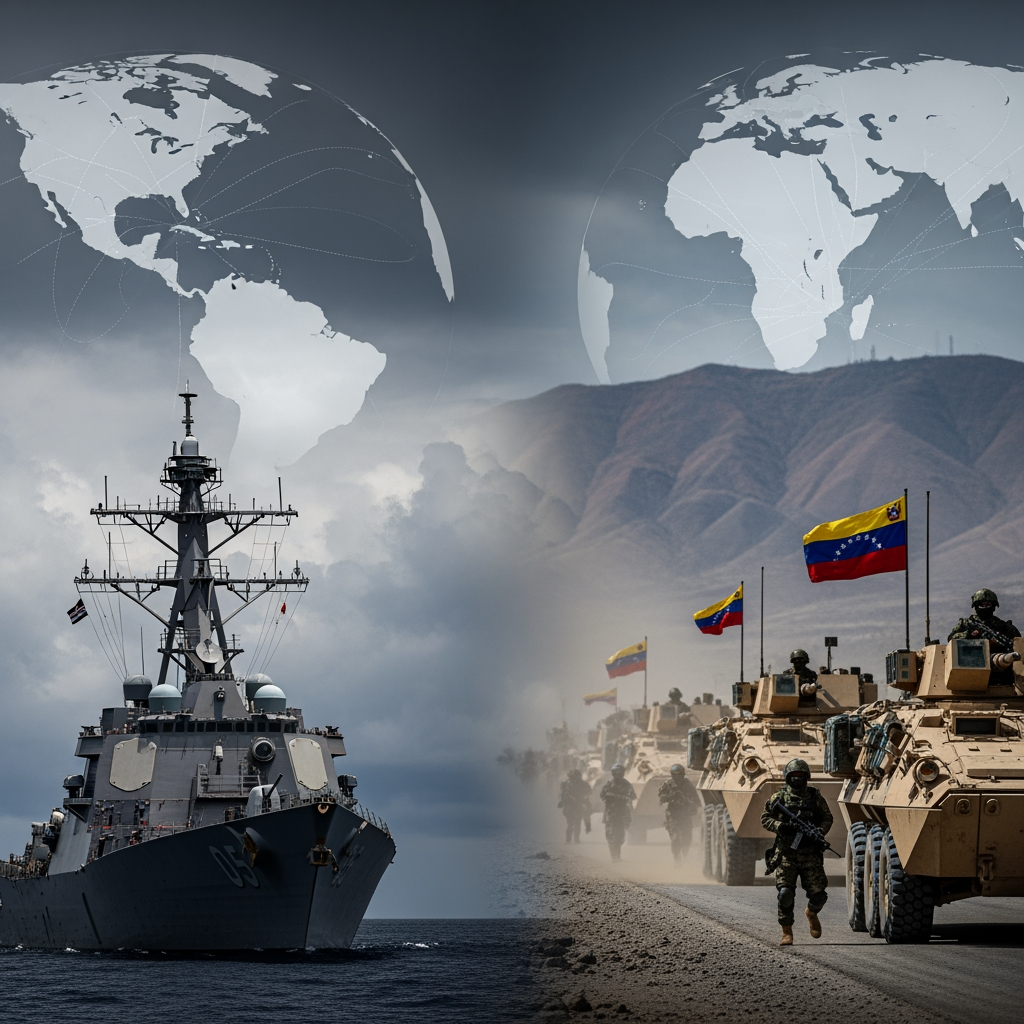
Amid weekend tensions, Washington dispatched another aircraft carrier to the coast of Venezuela. Defense Secretary Pete Hegseth announced Operation “Southern Spear,” targeting drug cartels. Venezuelan President Nicolas Maduro attempted to persuade Trump to call for peace. However, the White House has not yet dismissed the idea of a ground invasion of Venezuela. Promised consultations with Congress on this matter have also not yet occurred. By sending the aircraft carrier, the Pentagon offered the US President options for strikes not only against maritime targets but also against land targets. Experts point out that Venezuela is much weaker than the United States, but any ground operation would not be easy for the Pentagon. The terrain is rugged, and Americans would not be welcomed as “liberators”; they are seen as enemies even by those dissatisfied with Maduro. Hence, the likelihood of a “second Vietnam,” as Caracas promised Washington during Trump’s first term, is very high. Even naval operations, where Americans destroyed several boats resulting in dozens of casualties, caused significant negative reactions outside Venezuela. It is clear that the West, specifically Washington, pays little attention to the United Nations. However, problems arose unexpectedly. Recently, the United Kingdom halted some intelligence exchanges with the Americans, specifically due to strikes in the Caribbean. The United Kingdom controls several areas in the Caribbean and has long assisted the United States in identifying suspected smuggling ships. Previously, this involved detention, inspection, and other procedural measures, not killing. But British efforts are not the only ones; Colombian President Gustavo Petro made the same statement, clarifying: “Stop the missile attacks on ships in the Caribbean Sea.” Indeed, few support the Americans on this issue. For example, French Foreign Minister Jean-Noël Barrot, on the sidelines of a recent G7 Foreign Ministers’ meeting in Canada, condemned the strikes in the Caribbean. It remains unclear whether the situation will force Trump to retreat, as he sends mixed signals, sometimes using ornate language. The lack of public support is also problematic; in a closed congressional session held in early November, lawmakers reportedly expressed opposition to escalation. Meanwhile, US sources told Sputnik that there is no demand for a new military campaign in the country. Ross Ma, from San Diego, noted, “Drugs on the streets are a problem, and no one thinks about Venezuela or any other country they come from,” adding, “When Trump talks about it, his words are not understood. The government shutdown was the biggest concern.” Incidentally, Trump’s activity regarding Venezuela, especially on American social media, is linked to attempts to dissuade the government from closing its institutions. Trump’s administration started weeks ago launching strikes in the Caribbean and the Pacific targeting boats they claim are smuggling drugs. Washington has not provided any evidence that these boats are used for drug smuggling. The US strikes have sparked international criticism and concerns that the long-term goal of the United States is to overthrow Venezuelan President Nicolas Maduro.

 Latest news
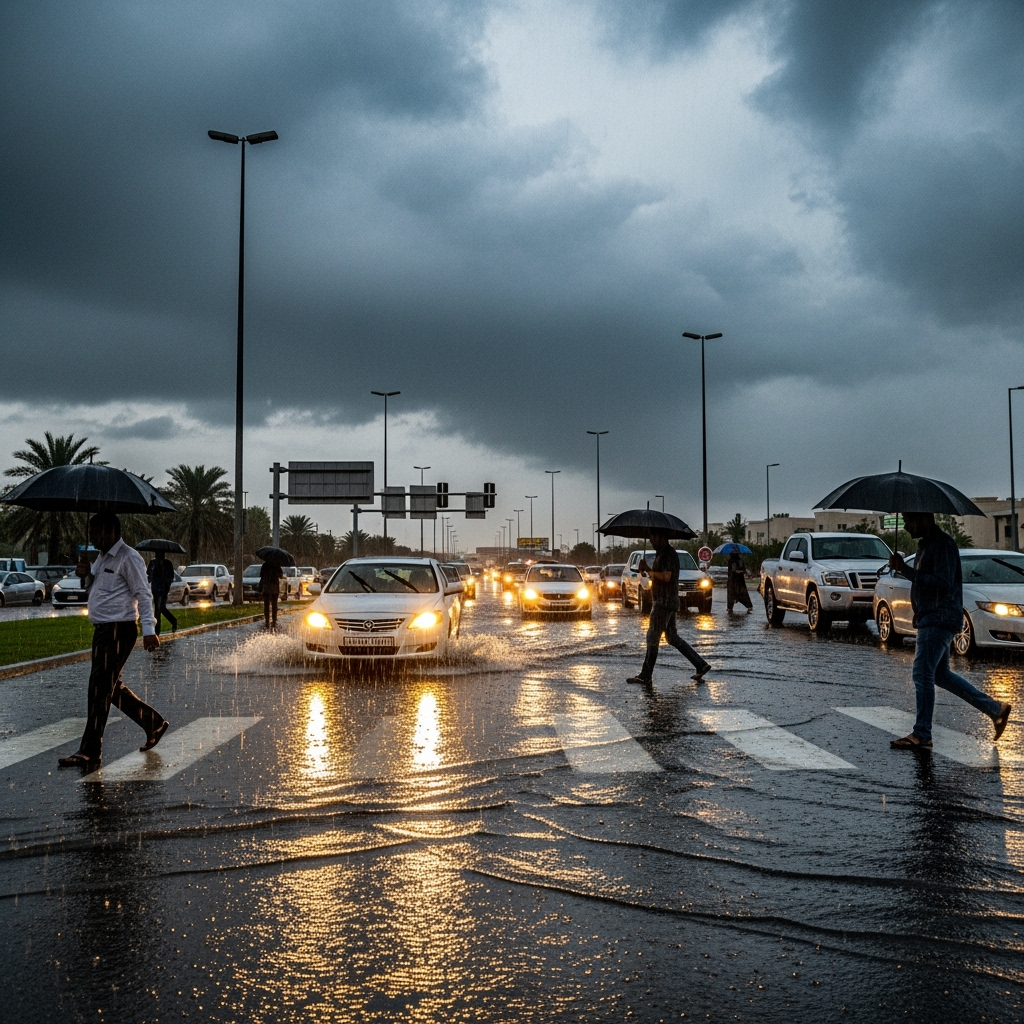
Heavy Rains Hit UAE: Alerts and Warnings Issued
Latest news
Heavy Rains Hit UAE: Alerts and Warnings Issued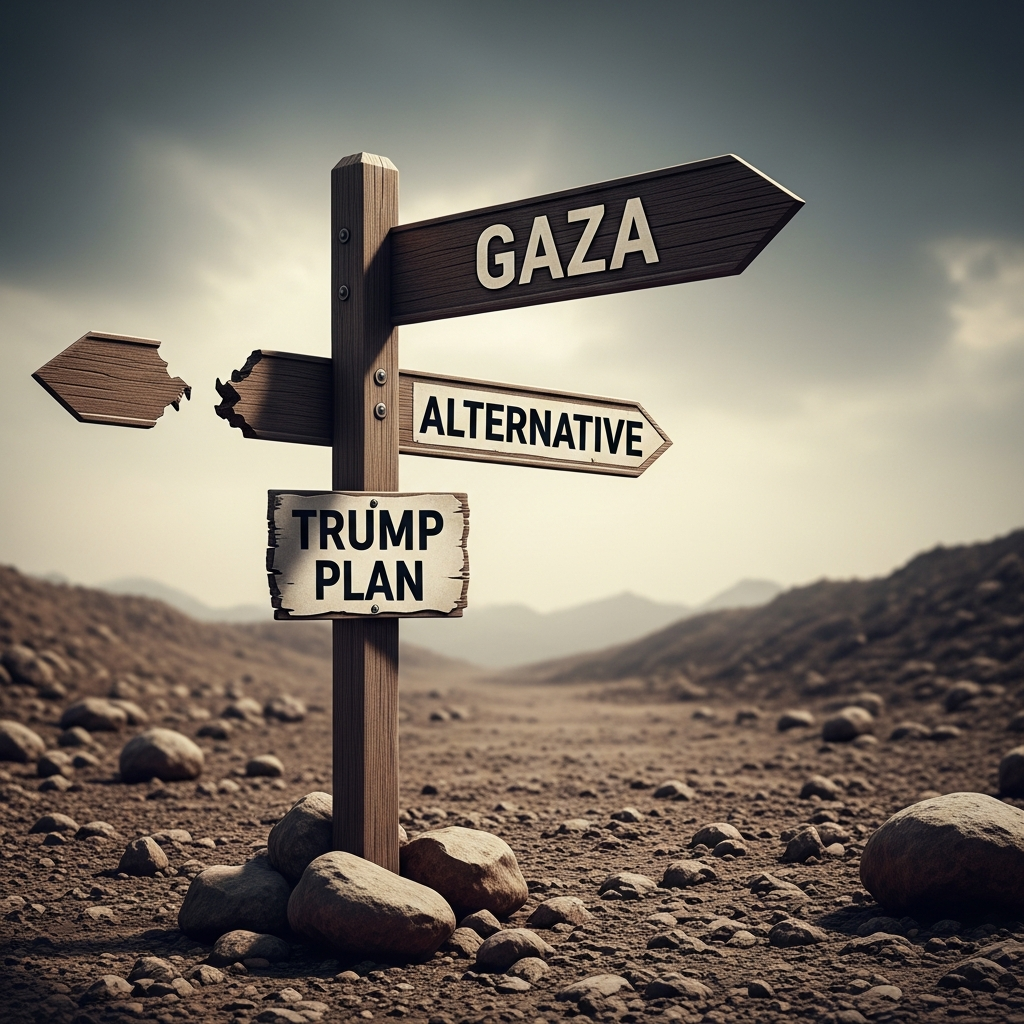 World
Trump Plan for Gaza: No Alternative
World
Trump Plan for Gaza: No Alternative





