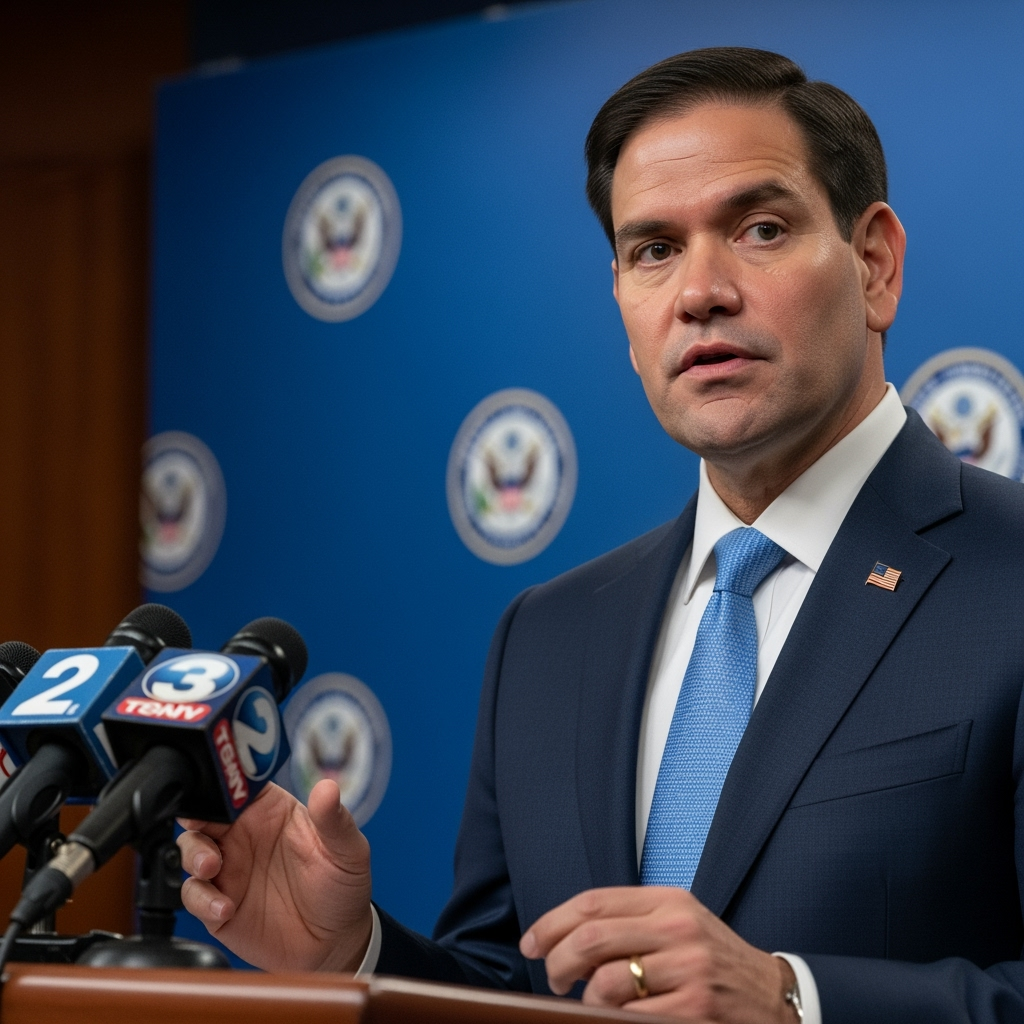
About seven months ago, Prasanna Veerapandi got an email inviting him to interview for a lucrative Python developer job in Dubai. Based in Singapore at the time, he was eager to move to the UAE, making the invitation a positive surprise.
“The email allowed me to schedule the interview at my convenience, with other guidelines like dressing formally, ensuring no background noise, and having a strong Internet connection,” shares Veerapandi, now residing in Abu Dhabi.
On the interview day, Veerapandi accessed a web app resembling Zoom or Google Meet, but found no one to greet him. The screen was divided; one half for the interview transcript, the other for his video. Questions appeared on the screen, and as Veerapandi answered, his responses were transcribed.
That’s when he realized the entire process, starting from the email, was orchestrated by artificial intelligence, specifically the AI recruitment platform Vettio. Although he didn’t receive a callback, the experience was fascinating enough to share with his friends back in Singapore. “They were astonished,” he says.
AI-driven virtual recruiters and interviewers are not future concepts—they are part of the current landscape as businesses globally integrate AI into HR tasks, including interviews, a domain once thought to be beyond AI’s reach.

Claire Abboud, Head of HRMS, eXperts People 365 at Business Experts MEA LLC.jpg
In the UAE, Business Experts MEA is using chatbot-assisted interviews to enhance initial candidate screening, says Claire Abboud, head of HRMS at Business Experts MEA LLC. “These tools accelerate response times and minimize bias in early evaluations,” she explains. The company already integrates AI in its HR systems for tasks like candidate shortlisting, leave requests, expense claims, and employee FAQs. “Voice-activated self-service and AI-driven workforce planning are next,” she adds.
Need for Speed
Just before our chat, Aws Ismail, director at Marc Ellis, sent an offer to a candidate sourced, interviewed, and shortlisted within two days through their ‘Smart AI Voice Recruiter,’ Sarah.
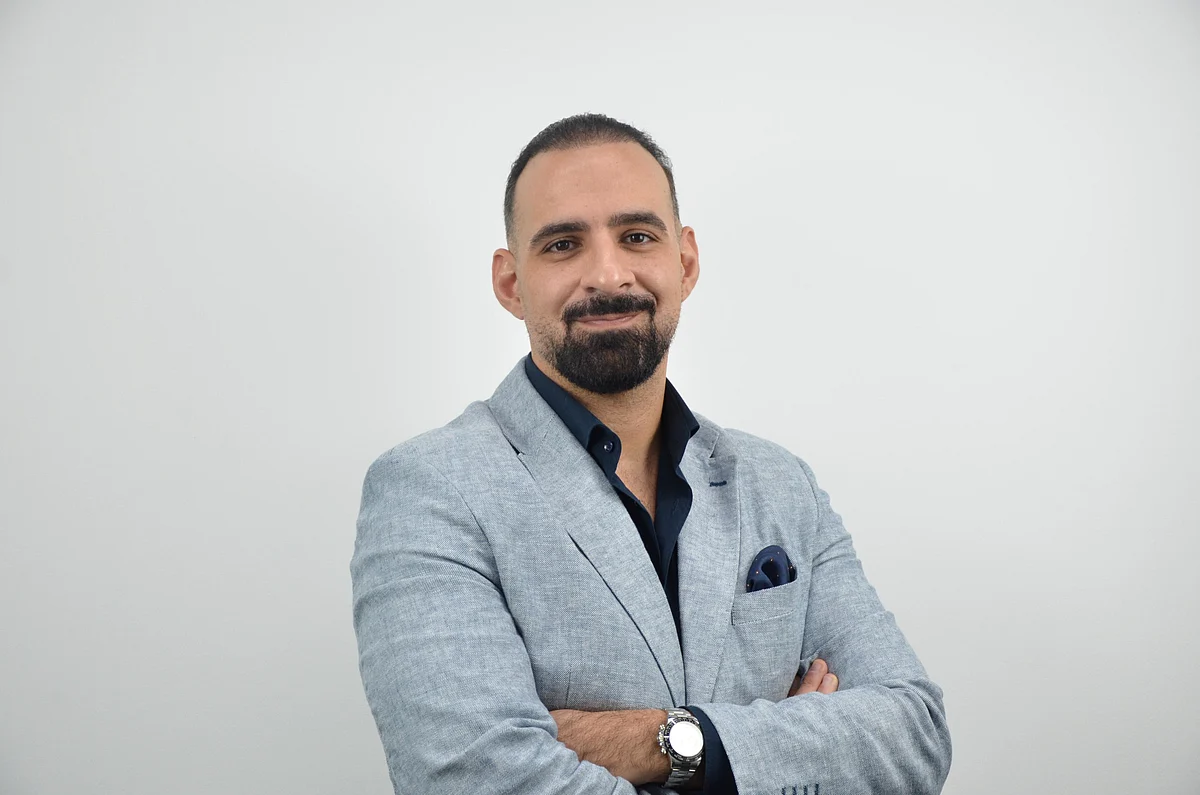
Aws Ismail of Marc Ellis
Recruiters are expected to present three candidates after sifting through hundreds of applications within 48 hours, making AI’s speed invaluable. While a human recruiter can contact about 15 to 20 candidates daily, Sarah can reach 1,000 to 3,000 simultaneously, says Ismail. “It understands if candidates have the necessary skills and suits the job as it retains vast job or technology information,” he adds. Sarah generates reports listing shortlisted candidates and their suitability percentages, speeding up sourcing and interviewing by about 40%, Ismail notes. “Recruiters then personally contact these candidates.”
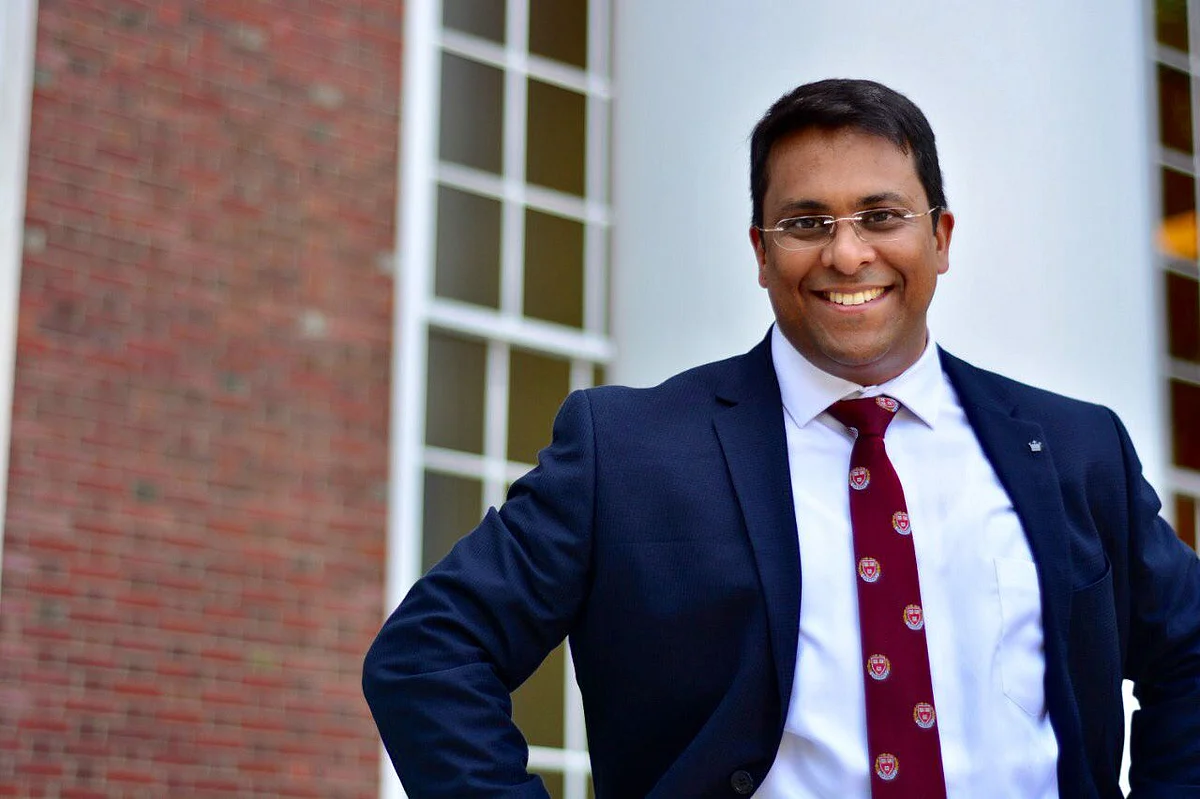
Sumit Kumar Singh, founder, Ace AI
Sumit Kumar Singh, founder of AceAI, works with educational institutions and corporates to integrate AI solutions. “We develop what they need—AI interviewers, policy bots, call summarizers, or resume raters,” Singh explains. While there is interest in ‘Agentic AI’ like virtual recruiters, it can be excessive for straightforward, rule-based processes, he elaborates.
Singh also notes the limitations, such as the inability to read visual cues, and the risk of false positives, where candidates might deceive a virtual interviewer.
The Human Factor
Last year, Sonny Dhamayana, working in AI and blockchain, underwent five such interviews. Like Veerapandi, he was unaware he’d be speaking to an AI until he faced a humanoid. The technical interview included coding questions. “It repeated my answers to ensure accuracy before analyzing them,” Dhamayana shares.
Subsequent interviews were human-led, but he believes companies should inform candidates about AI-led interviews in advance. “I feel they collected data from me. We need responsible, trustworthy AI,” he says, preferring AI for technical interviews and humans for discussions on roles, work hours, and salaries. “But the advantage is receiving results the same day,” he says.
Veerapandi needed a few minutes to adjust to the hour-long interview. Reflecting on the experience, he stresses the importance of concise, focused responses. The questions were CV-based, leaving little room to steer the conversation towards his strengths, a possibility in traditional interviews.
“AI interviewers only proceed to the next topic when fully satisfied,” he notes. Even when he tried to highlight his strengths, the AI politely redirected him to the topic at hand, “because it understands the prompt, your resume, and the job description,” he says.
The hiring company’s name wasn’t disclosed, and the AI interview didn’t facilitate two-way communication. “You could ask for clarification, but it mainly followed its plan,” he describes it as a ‘first-level filtering’ process.
For someone who reviews numerous CVs for one job, Veerapandi sees AI as a time-saver in initial recruitment stages, identifying suitable candidates early.
Companies are keen to balance AI and human elements in HR. “AI is a powerful accelerator, not a substitute for empathy,” says Abboud. “While it reduces bias, handles tasks, and supports insights, decisions on culture fit and wellbeing need human intuition. It’s about balance—machines handle heavy tasks, enabling humans to retain their humanity. Final interviews still benefit from human dialogue. Responsible AI focuses on ethics and transparency—empowering, not replacing people.”
Ismail agrees, highlighting relationship-building as recruitment’s core skill. “AI can’t replace that but enables faster decision-making,” he says.