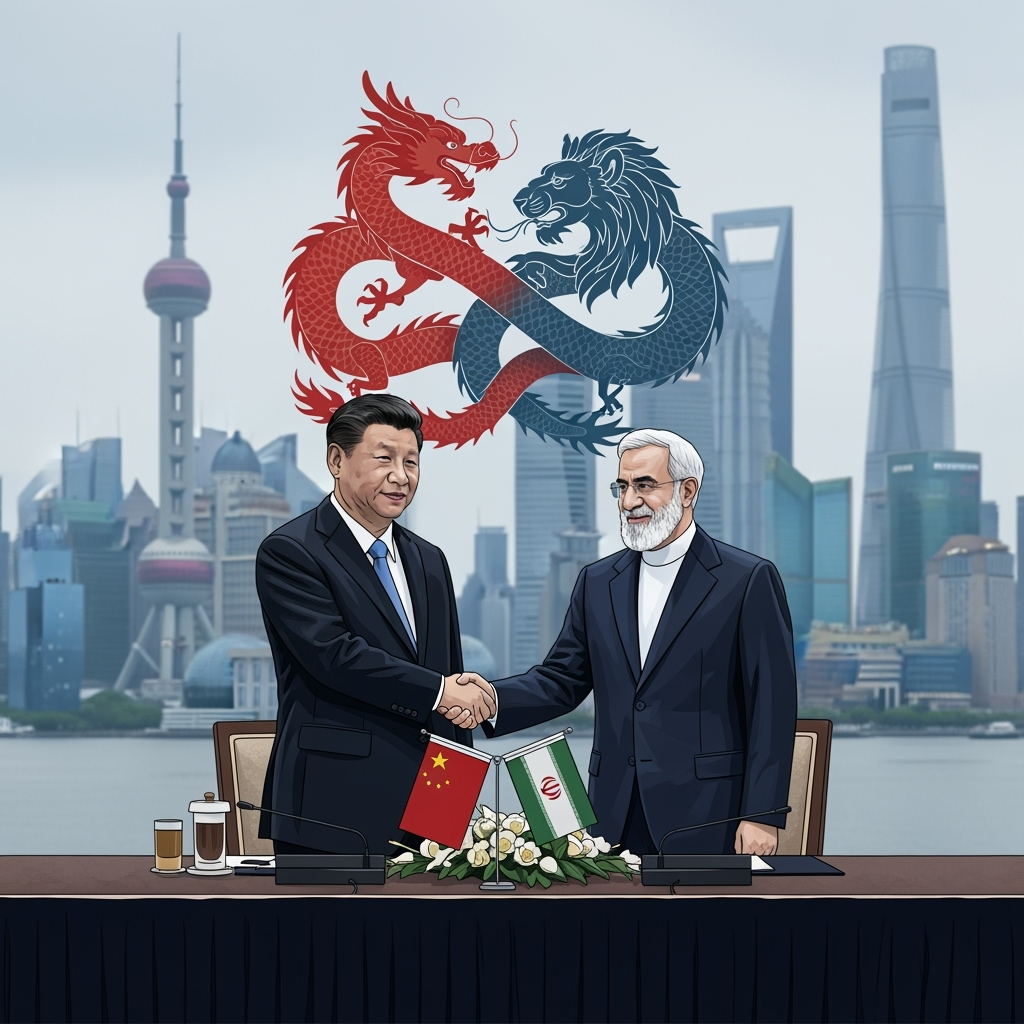
During the meeting, Bozkir conveyed the greetings of Iran’s Supreme Leader, Ali Khamenei, and praised China’s leadership of the Shanghai Cooperation Organization, affirming Tehran’s support for Beijing’s initiatives in reforming global governance. He criticized U.S. unilateral policies and emphasized that Iran is a reliable partner for China, ready to expand cooperation in various fields, including railway and highway projects, aiming to enhance peace and stability and confront aggression, according to Iranian news agency ‘IRNA.’
Chinese President Xi Jinping, during the meeting, affirmed China’s readiness to deepen its strategic partnership with Iran and accelerate the implementation of previous agreements. He described the Israeli attack on Iran last June as a ‘clear violation of international principles and legal rules,’ stressing that ‘force is not a means to solve problems,’ and affirmed Tehran’s legitimate right to peaceful nuclear energy.
Xi also noted that his country, despite Western sanctions, continued cooperation with Iran and is ready to expand it on a basis of mutual benefit, especially in connectivity projects, emphasizing the need for cooperation within the Shanghai Organization to confront unilateralism and support regional stability.
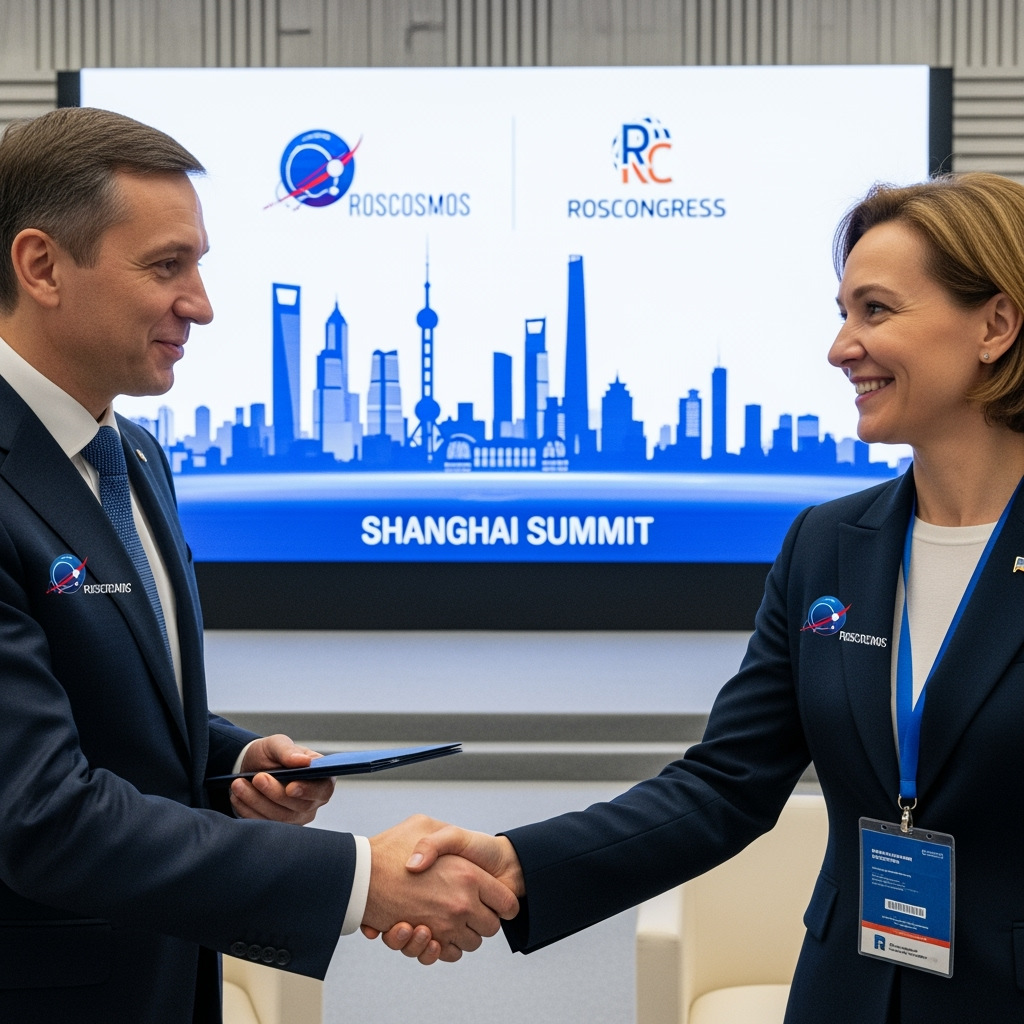
The largest summit in the history of the Shanghai Cooperation Organization is being held in the Chinese city of Tianjin. The summit is attended by heads of state and government from more than 20 countries, including Chinese President Xi Jinping, Russian President Vladimir Putin, and Indian Prime Minister Narendra Modi. The Shanghai Cooperation Organization is an international organization founded in 2001, comprising Belarus, India, Iran, Kazakhstan, China, Kyrgyzstan, Russia, Tajikistan, Pakistan, and Uzbekistan. It also includes several observer states, such as Afghanistan and Mongolia, and partner countries like Azerbaijan, Armenia, Cambodia, Nepal, the United Arab Emirates, Turkey, and Sri Lanka.