Dubai is solidifying its position as the top destination for high-net-worth individuals (HNWIs), attracting more millionaires than any other city worldwide. A strategic blend of tax benefits, political stability, and a cosmopolitan lifestyle is transforming the emirate from a regional banking center into a global magnet for wealth migration.
Central to Dubai’s allure is its tax-friendly environment. With no personal income, inheritance, or capital gains taxes, the city is a sanctuary for preserving and growing wealth. “This clear tax system allows investors and entrepreneurs to maximize returns and reinvest profits effortlessly,” said Nicholas Wright, Head of Institutional Sales at Saxo Bank MENA. “It sets Dubai apart from many global financial hubs burdened by complex tax structures.”
This fiscal advantage is increasingly attractive as mature markets tighten tax policies. The UK’s recent changes to its Non-Domiciled (“Non-Dom”) tax regime—introducing higher rates and stricter reporting requirements—have prompted an exodus of wealthy individuals. In 2025 alone, the UK is expected to lose 16,500 millionaires, the largest net outflow in over a decade. Against this backdrop, Dubai’s investor-friendly policies, combined with adherence to global standards, have positioned it as a safe and competitive alternative.
Safety and stability: A winning combination
Beyond tax benefits, Dubai offers unparalleled safety and stability. Ranked among the world’s safest cities, it provides peace of mind for families and business owners alike. “Political and economic stability adds immense value for those seeking a long-term base,” Wright noted. This sense of security is reinforced by a robust legal system and strict law enforcement, making Dubai a reliable jurisdiction for global wealth.
Dubai’s transformation is also driven by lifestyle appeal. The city boasts world-class infrastructure, Michelin-starred dining, luxury hotels, elite sporting events, and cultural landmarks like the Dubai Opera. Its strategic location—within an eight-hour flight of two-thirds of the world’s population—creates a natural bridge between East and West. “Dubai’s time zone enables seamless engagement across global markets, enhancing its role as a hub for international trade and finance,” Wright explained.
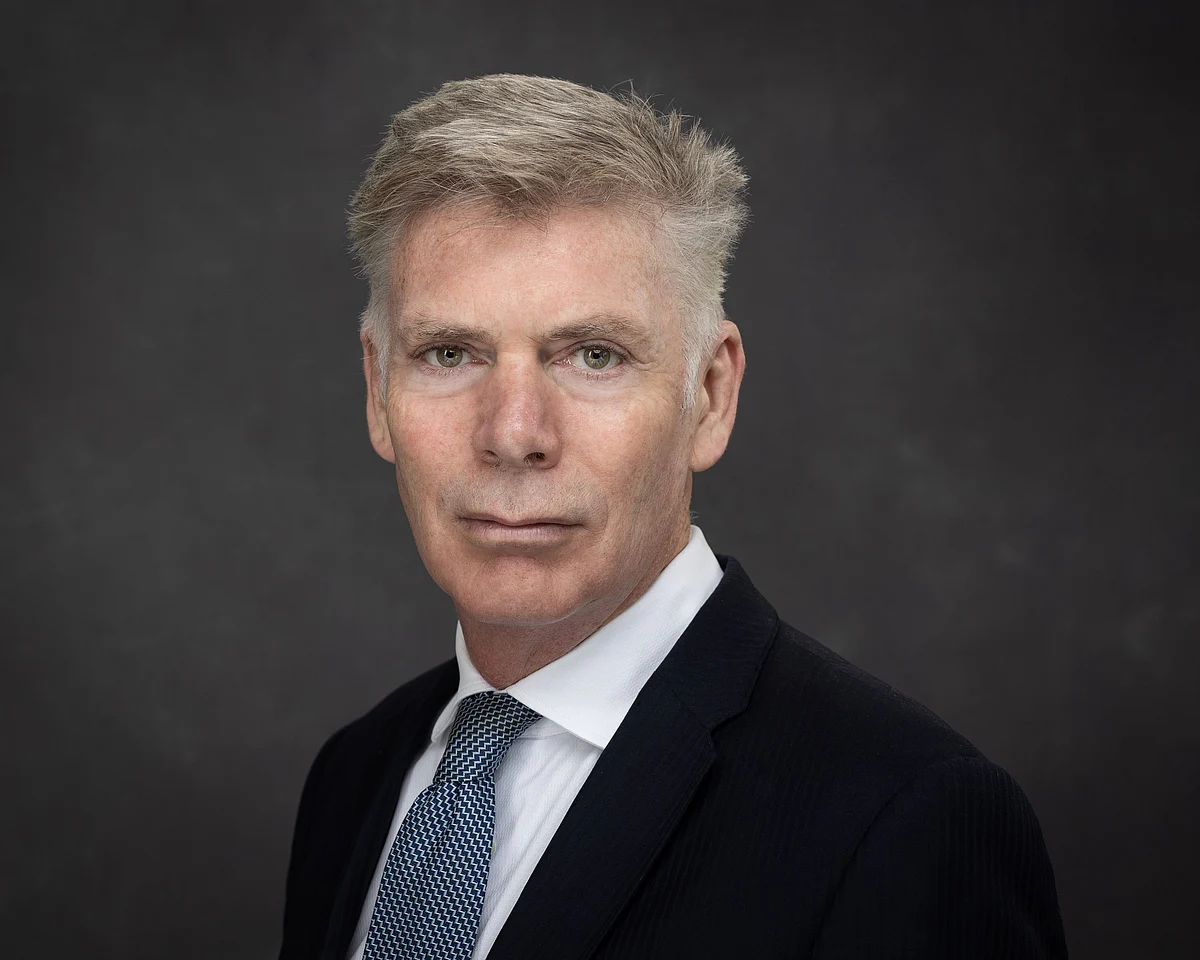
Nicholas Wright, Head of Institutional Sales, Saxo Bank
DIFC: The center of wealth
The Dubai International Financial Centre (DIFC) is the cornerstone of this migration, hosting thousands of companies, including wealth managers, hedge funds, and family offices managing over $700 billion in assets. Its regulatory framework, modeled on the UK’s Financial Conduct Authority, emphasizes transparency and investor protection. “The DFSA’s FCA-style regulation provides a familiar environment for firms from London, Singapore, and Hong Kong,” Wright said. This alignment with international standards has bolstered confidence, making DIFC one of the top financial centers in the Middle East, Africa, and South Asia.
Dubai’s thriving property market adds another layer of attraction. High-yield investments, transparent processes, and luxury waterfront developments offer a compelling mix of lifestyle and financial opportunity. Investor-friendly regulations and residency programs further enhance the city’s appeal for global elites seeking permanence.
The future outlook
As global tax reforms drive wealth migration, Dubai stands out for its ability to blend tax competitiveness, regulatory trust, and lifestyle benefits. “Dubai has doubled its millionaire population over the past decade,” Wright observed. With Europe tightening fiscal policies and geopolitical uncertainties reshaping wealth strategies, the emirate’s position as a secure, cosmopolitan, and well-regulated hub is stronger than ever.