This October, as GITEX Global and the Future Blockchain Summit unite the top players in fintech and digital assets, a subtle yet significant transformation is occurring behind the scenes. It’s not about a new token or blockchain innovation; it’s about building trust, enhancing transparency, and the gradual institutionalisation of an industry once known for its rebellious spirit.
The UAE’s move to adopt the OECD’s Crypto Asset Reporting Framework (CARF) marks a crucial step in its progression from a crypto frontier to a global regulatory leader. CARF, a worldwide standard for the automatic exchange of crypto asset information, mandates that exchanges, custodians, and wallet providers collect and report user holdings and transaction details to tax authorities. This mirrors the impact of FATCA and CRS on traditional finance, with significant implications for an industry built on decentralisation and privacy.
Although the rulebook isn’t yet effective, with the UAE’s timeline extending to 2027 and the first data exchanges anticipated by 2028, the market’s dynamics are already evolving. For exchanges, traders, and token issuers, CARF presents both a challenge and an opportunity.
Elevating Exchange Standards
Crypto exchanges will spend the coming years focusing on preparation. Amir Tabch, CEO of OFZA, highlights the parallel between the upcoming changes for digital asset platforms and what banks faced a decade ago. “CARF will elevate operational standards for exchanges similarly to how FATCA and CRS transformed global banking,” he remarks.
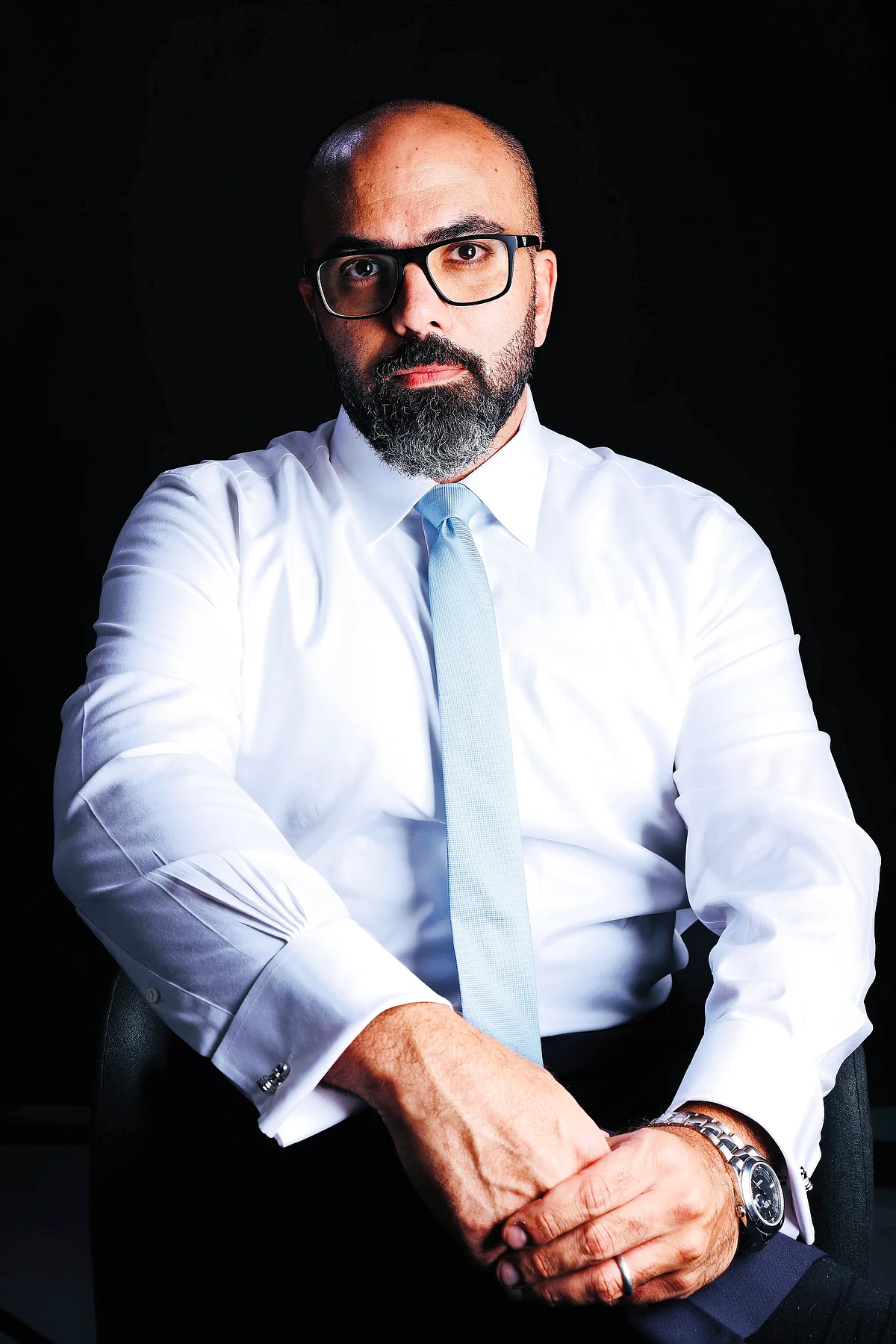
Amir Tabch, CEO of OFZA.
Exchanges must revamp their client onboarding processes, collecting tax residency data alongside KYC information, tracking every taxable activity from spot trades to staking rewards, and developing systems to report these in standardised formats. Compliance will be central to the client experience, not just a back-office function.
The initial burden may be significant, but Amir views it as an investment in credibility. “History shows that firms who adapted early to FATCA and CRS built trust. The same will happen here. Those who master compliance will gain a global legitimacy edge.”
At GITEX 2025, these themes resonate in discussions on regulation and compliance. Panels with executives from Binance, Bybit, and the Solana Foundation are exploring how frameworks like CARF could integrate crypto with mainstream finance. The focus has shifted from speculation to structure, from price charts to governance.
A Mixed Investor Sentiment
Investor reactions to CARF vary within the ecosystem. For institutional players, the shift is welcome. Standardised reporting and clear tax frameworks reduce uncertainty, and uncertainty, not regulation, has historically hindered institutional adoption.

“If history guides us, CARF will boost investor confidence,” Amir asserts. “Institutional players value clarity and standardised reporting, and CARF provides exactly that.”
However, for smaller investors, particularly retail traders drawn to crypto’s promise of freedom and privacy, CARF might seem intrusive. DeFi Technologies, observing the framework closely, notes that confidence in the UAE has always been rooted in its openness to innovation.
“As long as CARF’s requirements don’t become overly burdensome, the impact will be minimal to positive,” the company states. “But if it forces project owners to allocate time and resources to bureaucratic reports, it could dampen innovation.”
This tension between transparency and freedom defines the current moment. Retail investors may initially resist the loss of anonymity, but history indicates adaptation. FATCA once sparked similar fears in traditional finance, but over time, customers valued the security regulation brought.
The UAE, by joining CARF early, signals readiness to evolve from speculative enthusiasm to institutional trust.
Transparency as the New Currency
To grasp CARF’s impact, one must look beyond compliance checklists. Proper regulation becomes a competitive advantage. For the UAE, it’s an invitation to global capital that demands certainty.
“The greatest opportunity CARF presents is credibility,” Amir notes. “By embedding transparency, the UAE can establish itself as a hub for institutional capital, family offices, and long-term investors.”
Transparency is no longer crypto’s adversary; it’s the key to sustainability. As major economies move towards unified reporting, investors will gravitate to jurisdictions that embrace global standards rather than resist them. For exchanges, this opens up possibilities for tokenised funds, digital asset ETFs, and structured investment vehicles that can operate confidently under regulation.
But the challenges are real. Compliance is costly. Building systems capable of processing massive data volumes while respecting user privacy will test even the most prepared platforms. “The tech sector is resource-intensive,” DeFi Technologies highlights. “Anything that hinders development will have a cooling effect. Innovation thrives where flexibility exists.”
It’s a fair warning. Each layer of oversight adds friction. Regulators must balance control with competitiveness to maintain the UAE’s reputation as a haven for innovation while meeting international tax standards.
The Ripple Effect on Innovation
Critics argue that frameworks like CARF could stifle the dynamism that made crypto exciting. But Amir Tabch sees it differently. “CARF is a catalyst for institutional adoption, not a brake on innovation,” he says.
His point is straightforward. Compliance fosters trust, and trust drives growth. When FATCA and CRS were introduced, they didn’t stifle financial innovation; they professionalised it. He believes the same will occur in crypto.
Still, DeFi Technologies provides a counterpoint. “Innovation in digital assets can never be slowed because it’s driven by technologists,” the company notes. “But regulatory frameworks often add bureaucratic layers that can stifle the release of technology that might truly benefit users. The cost of compliance can push innovation underground.”
This tug-of-war between regulation and innovation isn’t new. What’s different now is that Dubai and Abu Dhabi have established regulatory sandboxes allowing experimentation within structured environments. The UAE’s Virtual Assets Regulatory Authority and Abu Dhabi Global Market have shown that oversight can coexist with creativity.
At GITEX’s Future Blockchain Summit, this balance will be evident. With more than 1,200 investors and 150 exhibitors, the conversation expands from blockchain’s promise to the policy frameworks defining its future. For companies like OFZA and DeFi Technologies, it’s an opportunity to position themselves as compliance-first innovators ready for digital finance’s next chapter.
Lessons from the Past, Vision for the Future
The parallels with past regulatory revolutions are striking. When FATCA arrived, financial institutions scrambled to implement new data systems. Many smaller players exited the market. But those who adapted became industry leaders. A similar pattern is likely in crypto.
Firms embracing CARF early, investing in regulatory technology and cross-border reporting solutions, will lead the way. They’ll be able to offer institutions what they crave most: certainty.
For the UAE, the move aligns with its broader ambition to become the world’s capital for regulated innovation. Whether it’s digital assets, AI governance, or green technology, the message is consistent: Innovation without oversight is unsustainable, and oversight without innovation is irrelevant.
GITEX’s theme this year, “From regulation to technical architecture,” captures this ethos perfectly. The future of crypto won’t be built in the shadows of decentralised dreams but in the sunlight of responsible regulation.
Building a Market That Endures
If CARF represents a microscope on the industry, it also serves as a mirror. It forces exchanges, investors, and regulators to confront challenging questions. Can crypto maintain its principles while aligning with international norms? Can innovation and accountability coexist?
The answers are emerging slowly but confidently. Amir Tabch believes CARF will ultimately drive a healthier ecosystem. “Over time, it will help shift the UAE market from speculative retail trading toward a more balanced ecosystem of institutional flows, product innovation, and investor trust,” he says.
This evolution is already visible in the UAE’s fintech sector. Tokenised real estate, green finance projects, and blockchain-based trade platforms are moving into mainstream use. CARF will add the credibility these ventures need to attract global participation.
For investors, the short-term adjustment might mean more paperwork and disclosure. For exchanges, it will require new infrastructure. But the long-term reward is a mature, transparent, and globally connected marketplace.
A Defining Moment for the UAE
The UAE’s decision to align with CARF is more than a regulatory milestone; it’s a statement of intent. It shows a country unafraid of scrutiny, confident that its systems can meet global standards.
As the digital economy matures, investors no longer seek the wild west of finance. They look for stability without stagnation and regulation without rigidity. Dubai and Abu Dhabi are positioning themselves precisely in that space, where ambition meets accountability.
GITEX 2025, co-locating fintech, blockchain, and regulatory innovation, provides the perfect backdrop for this transformation. The conversations unfolding there will shape not only the future of digital assets but also the story of how the UAE became the bridge between old finance and new.
In this sense, CARF isn’t the end of crypto’s freedom. It’s the beginning of its legitimacy. And legitimacy, in a world that questions everything, might just be the most valuable asset of all.