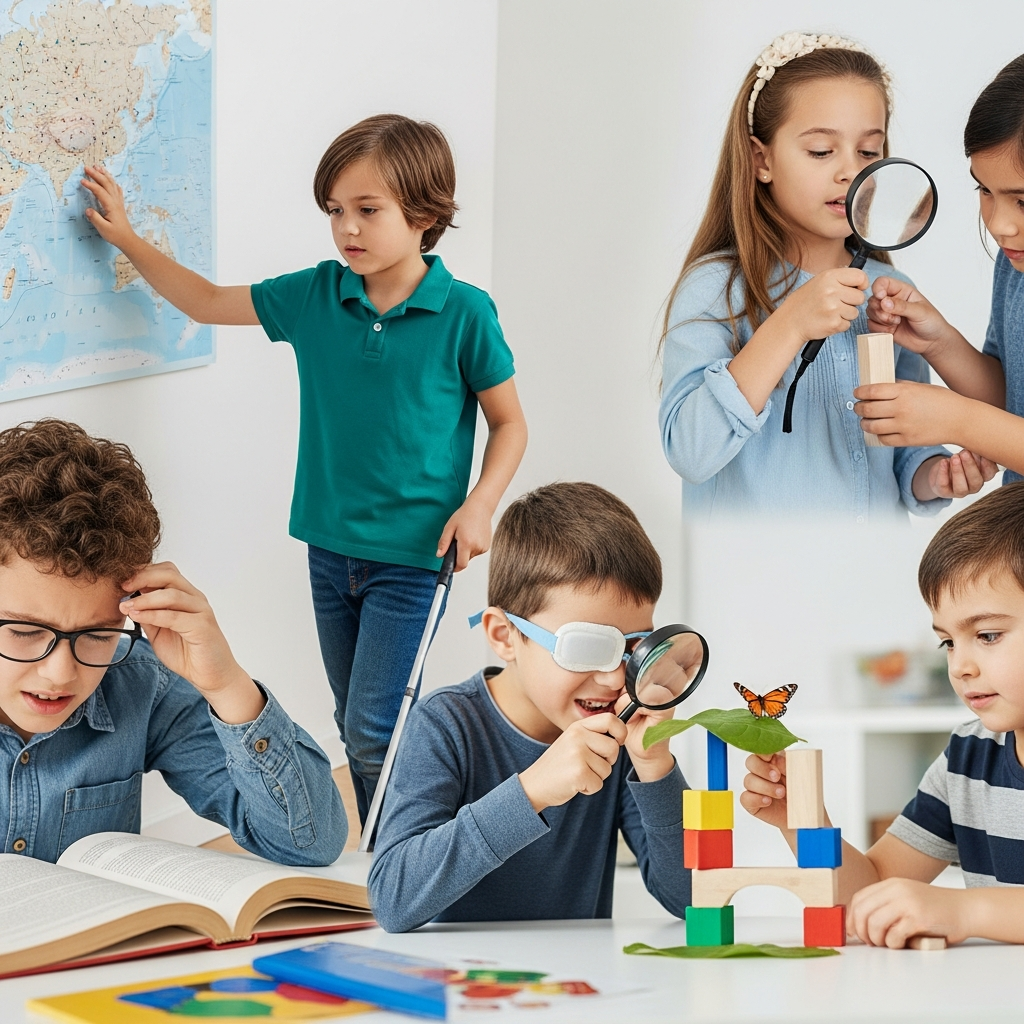
Experts highlight that common eye conditions like myopia, astigmatism, and strabismus affect more than just vision; they influence a child’s confidence, communication, and emotional growth.
The World Health Organisation reports nearly 19 million children globally experience visual impairments, impacting their learning and communication abilities.
Children with untreated eye issues often struggle with reading, writing, and classroom learning, affecting their academic success.
Beyond academics, they may face social challenges such as bullying, leading to anxiety and low self-esteem.
Stay updated with the latest news. Follow KT on Whatsapp Channels
Emotional Challenges
Dr. Alina Mugnani Deza, an ophthalmologist at Barraquer Eye Hospital, stresses that early childhood is crucial, as limited vision can affect bonding, social skills, and school readiness. Untreated vision issues can cause long-term psychological and behavioral problems, often unnoticed.
Deza explains that vision impairments increase emotional and behavioral risks in children, as vision is key for exploration and social learning. Early childhood stages are most sensitive:
• Infancy (0–2 years): Limited visual feedback affects bonding and motor skills.
• Preschool (3–6 years): Awareness of differences with peers increases vulnerability.
• Early school age (6–12 years): Academic and social challenges can lead to frustration or anxiety.
Visual issues can alter personality development, leading to low self-esteem, dependency, or avoidance behaviors. Consistent support fosters resilience.
Signs include anxiety, social withdrawal, irritability, communication delays, developmental lag, and sleep issues. Peer interactions suffer due to difficulties in reading facial expressions and following social cues, leading to isolation.
Emotional Support
Family support is crucial. A balanced home environment that promotes independence and early medical intervention can reduce psychological risks.
Common parental mistakes, like overprotection or delayed corrective measures, increase stress.
Early Detection
Signs of distress include withdrawal from play, school avoidance, irritability, and physical complaints like headaches. Early interventions, vision rehabilitation, and therapies improve outcomes. Schools should provide accessible materials and support.
Dr. Deza warns that undiagnosed vision issues can be mistaken for behavioral or learning problems, affecting performance and self-esteem.
“Early screening from 2.5 years helps identify issues before they impact development. Assistive technologies like screen magnifiers and smart devices enhance independence and communication,” she notes.
Types of Visual Impairment
Ms. Gayatri Govind Gajjam, a Clinical Psychologist, explains how vision loss affects a child’s emotional well-being, noting each type has a unique psychological impact.
“Children with low vision often face frustration, decreased academic confidence, and social withdrawal. Complete blindness delays mobility and communication skills but sensory training can help,” she says.
Peripheral vision loss increases anxiety due to collision fears, while central vision loss affects literacy and detailed tasks.
“Progressive vision loss is emotionally taxing as children experience repeated grief,” she says.
“Neurological visual impairment varies with fatigue, causing misinterpretations and emotional distress,” she adds.
Emotional challenges arise from reliance on predictability. Reduced environmental control and sensory overload cause anxiety.
Social withdrawal often results from difficulty interpreting facial expressions and group play. “Limited imitation and reliance on caregivers contribute to communication delays,” she notes.
Despite challenges, children can develop strengths like resilience and advanced problem-solving with support.
Things to Avoid
Gajjam highlights parental mistakes: overprotection, delaying assistive tools, and ignoring emotional needs. Early stress shows as fear of new spaces and self-doubt.
A multidisciplinary approach, including mobility training, behavior therapy, and family counseling, strengthens confidence and independence. Schools must provide accessible materials and support.
Recommendations
Experts stress the importance of early screening, family empowerment, and assistive technologies. Early identification provides tools to avoid developmental delays and emotional distress.
Consistent family support and clear routines build confidence. Schools should promote inclusion and meet psychological needs alongside academics.
With early detection and supportive environments, children with visual impairments can thrive emotionally, socially, and academically.