The committee emphasized the “necessity of adhering to the ceasefire and considering it a foundation for protecting civilians and property and ensuring the continuity of the political and security process,” warning that any military or security activity outside the official frameworks and applicable laws poses a direct threat to public security.
The statement called on “all military and security units and formations to exercise discipline and avoid any actions that could destabilize the security of citizens or weaken the efforts of security arrangements,” while noting the importance of withdrawing any forces or units not under legitimacy and refraining from any illegal armed deployment or movements within the capital.
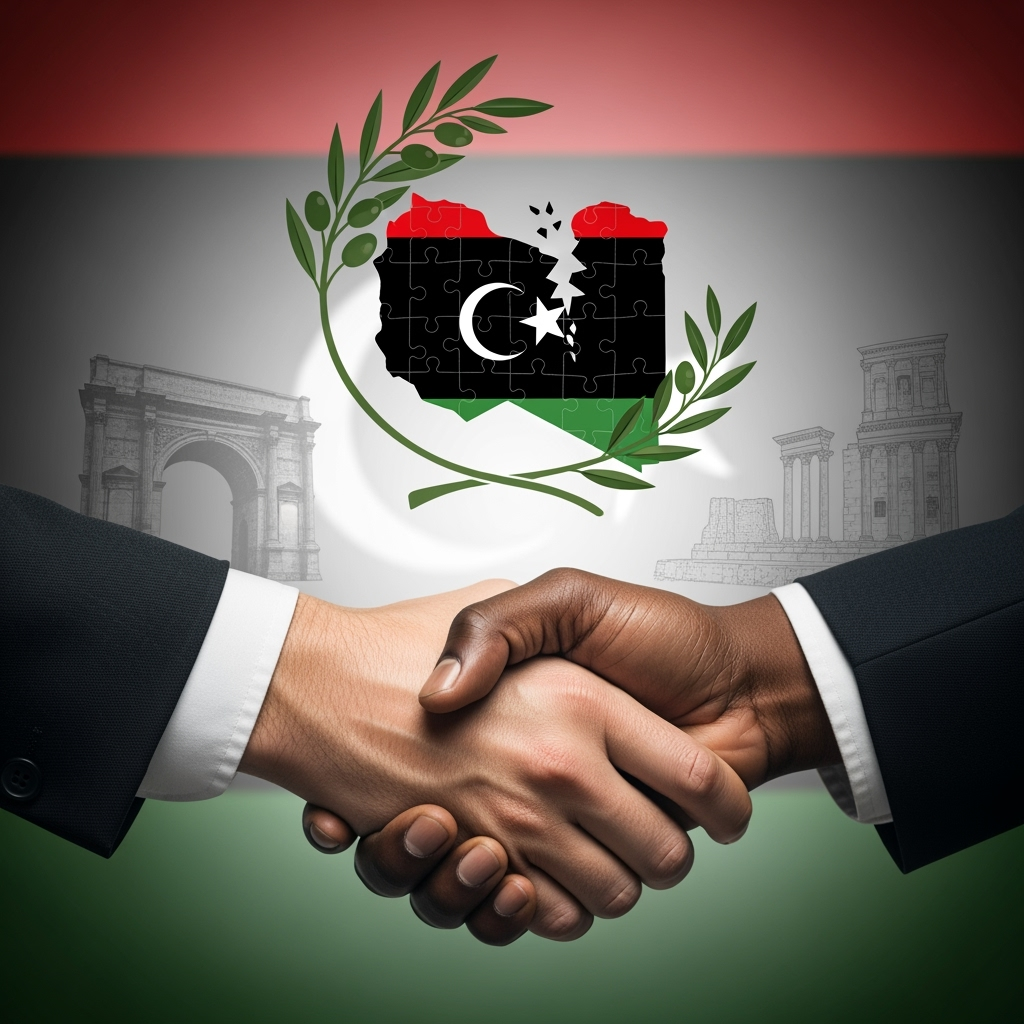
The committee confirmed the continued coordination between the General Staff and security agencies to unify efforts in confronting any threats to civil peace, stressing that Libya’s stability requires a genuine commitment to the agreed-upon paths and sincere cooperation between state institutions, in addition to regional and international community support for dialogue and peaceful solutions away from the logic of force.
The committee clarified that it “takes all necessary measures and remains in constant communication with local and international partners to support stability in Libya,” affirming that “Libya will not be an arena for settling scores or imposing wills by force, and the solution lies in adhering to the agreed paths and honest cooperation between all national institutions.”
In recent days, the Libyan capital, Tripoli, has witnessed a backdrop of ongoing military mobilizations and the positioning of heavy weapons around the city. This development raises widespread concern in local and international circles, especially as it comes at a time when the country is witnessing renewed attempts to launch initiatives leading to stability and ending the division that has persisted for years.
While efforts continue to impose security arrangements under the auspices of the Presidential Council and de-escalation committees, the main question remains about the future of these movements and their impact on civilians and the general situation in the capital.