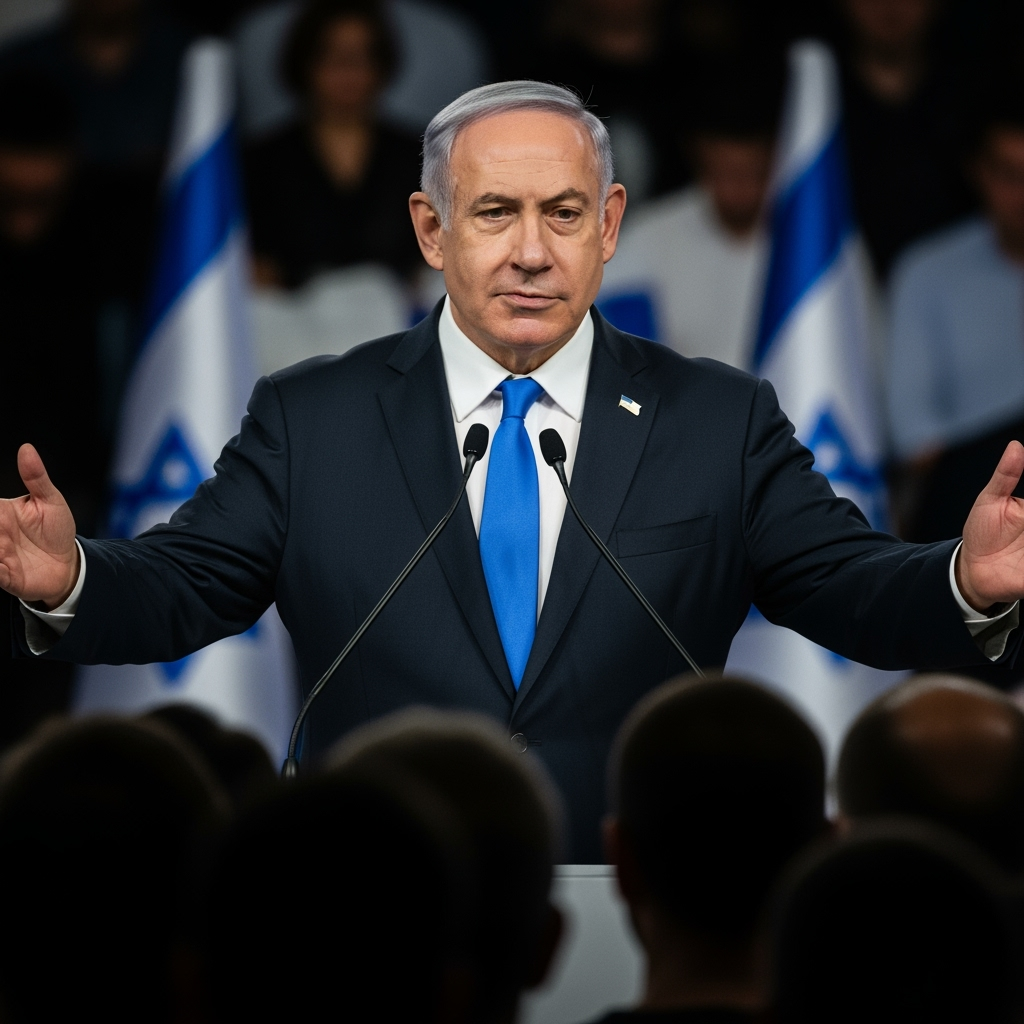
For four decades, Mughal Mahal has been a pioneer of Indian cuisine in Kuwait.
Over the years, Mughal Mahal has tirelessly worked to popularize Indian cuisine in Kuwait. Thanks to this restaurant chain, many Indian dishes are now familiar favorites among locals and expats alike. With 12 outlets across the country, Mughal Mahal is known for its quality and value. Thousands of satisfied diners each day highlight its popularity.
Ashok Kalra, the managing director of Mughal Mahal Group, is often called the Ambassador of Indian culinary diplomacy in Kuwait. Since establishing the first Mughal Mahal in 1985 with his partners, Kalra has been dedicated to fostering India-Kuwait relations and building community ties through food.
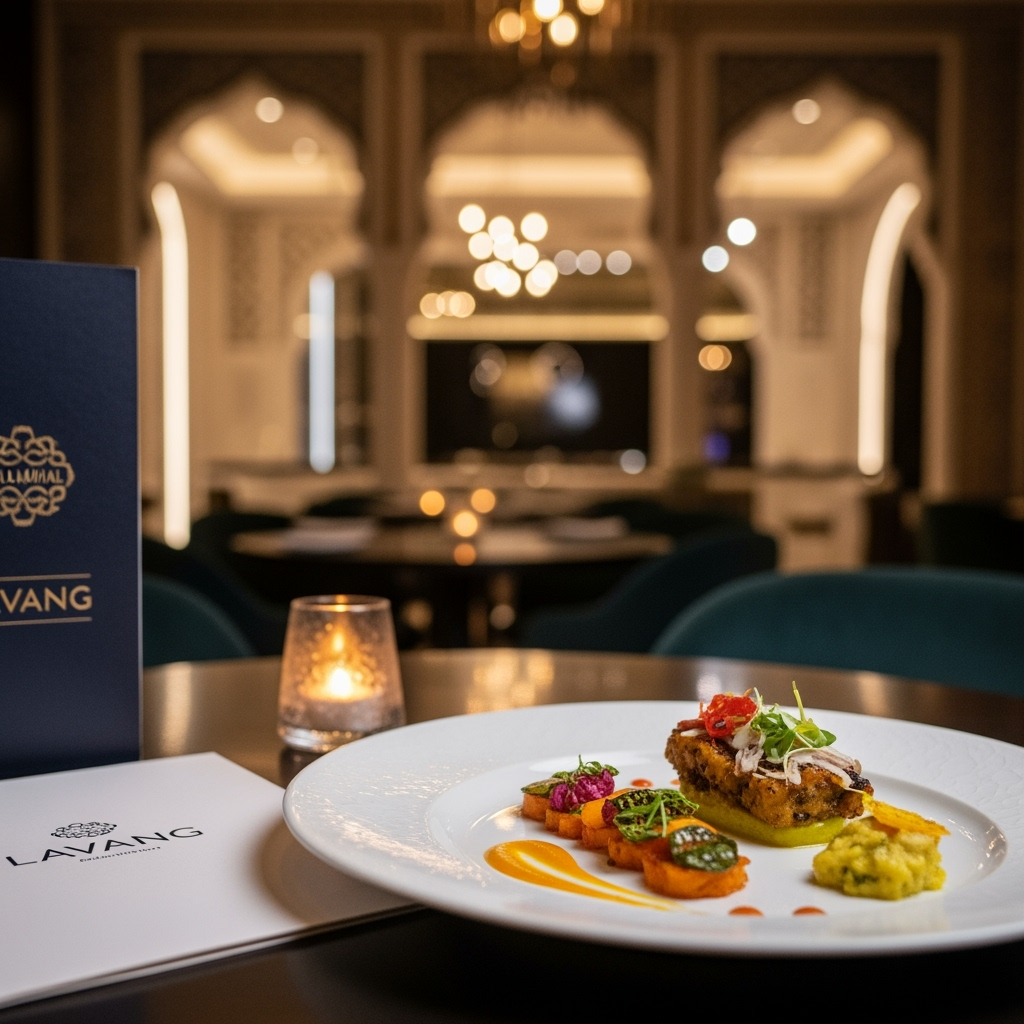
This culinary heritage continues with Kalra’s daughter, Diviya, who recently launched Lavang, an upscale Indian restaurant in Dubai. Combining tradition with modernity, Lavang reflects the Kalra family’s passion for fine dining and hospitality, showcasing the seamless evolution from father to daughter.
Excerpts from an interview:
How did your journey into the food business begin?
I never planned this career. Initially, I aspired to be a pilot, but physics wasn’t my forte. I also considered event management, but that didn’t work out. I eventually embraced my roots, growing up in my father’s restaurants in Kuwait. Food has always been part of me, inspiring me to blend tradition with modernity, leading to Lavang’s creation.
How does Lavang balance fusion with tradition?
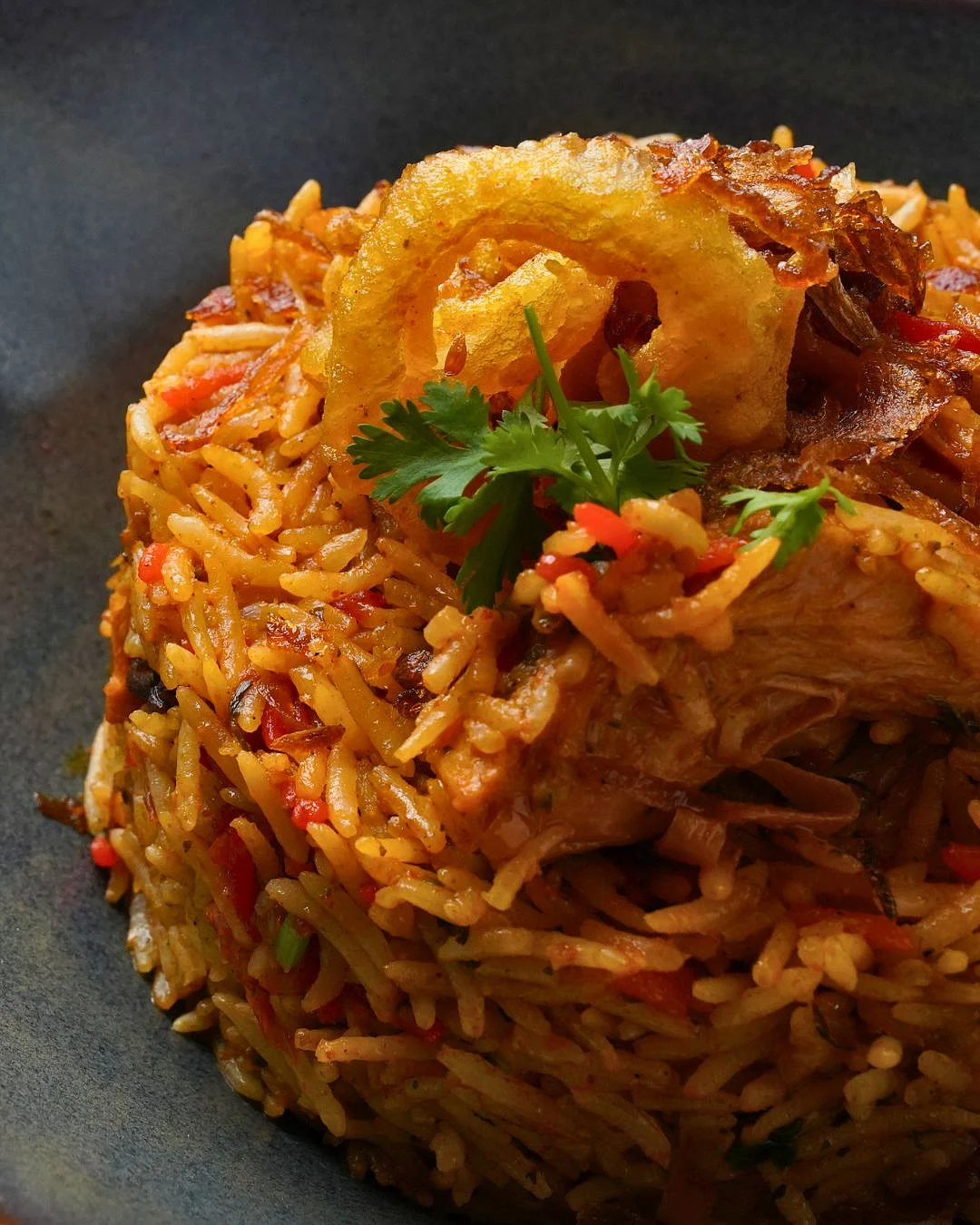
Our dishes retain traditional Indian flavors with a twist. For instance, while kids might skip butter chicken, they enjoy butter chicken pasta. We preserve tradition’s essence while appealing to diverse tastes, focusing on taste and service over elaborate presentation.
How do you compare Dubai’s market with others?
Dubai’s market balances East and West, unlike Kuwait’s traditional scene. After schooling in Kuwait and 11 years in Canada, Dubai offered a blend of these experiences. Despite fierce competition, I rely on our food’s quality and experienced chefs for success. Our consistency is key as others falter over time.
Tell us about Lavang’s interiors. What was your vision?
While most Indian restaurants declare their identity through decor, Lavang offers a calming, versatile ambiance—some even mistake it for a coffee shop. It’s designed to be understated and elegant, allowing guests to define their experience.
How do you develop your fusion menu?
Our menu concept began years ago for a planned Canadian restaurant. We maintain traditional tastes while adding new twists, like quesadillas with jackfruit masala, offering familiar yet fresh experiences.
What kind of clientele do you attract?
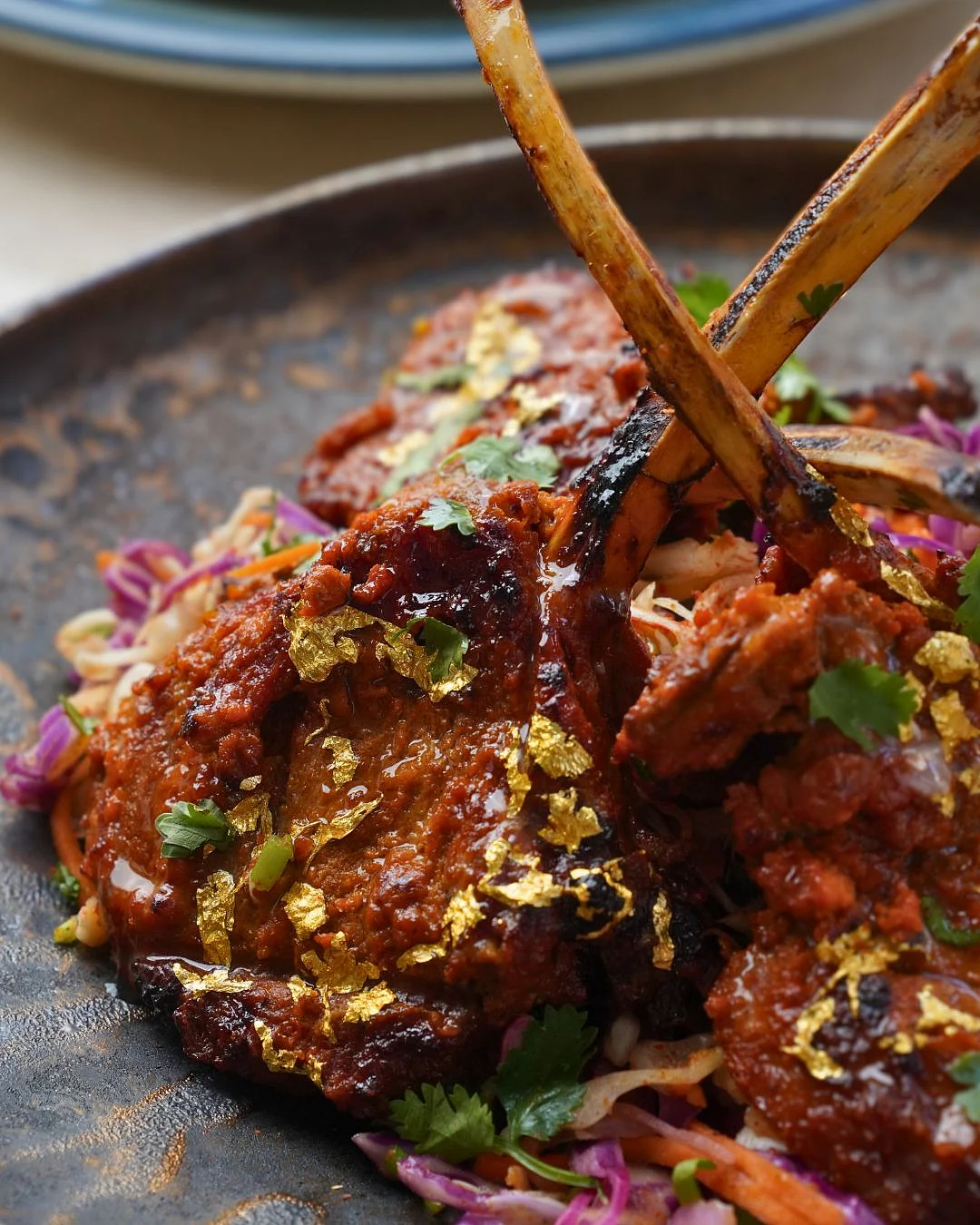
Surprisingly, many guests aren’t Indian. We have a large Saudi clientele who love Indian flavors. Indians often seek variety in dining, and our menu offers both traditional and fusion options.
Are you planning more experiences beyond dining?
We’re considering options like live trolleys, music, and potentially a liquor license. We aim to enhance customer experiences, especially during Dubai’s peak season.
What are your expansion plans?
Expansion is on the horizon, but our priority is Lavang’s success and profitability. It’s our first venture, and we want to nurture it before expanding further.
Did you consider bringing Mughal Mahal to Dubai?
We did consider it, but Mughal Mahal suits Kuwait’s downtown scene with its established brand. In Dubai, we envisioned a high-end concept, which didn’t align with Mughal Mahal. Thus, Lavang was born, carrying the same essence with a modern twist.