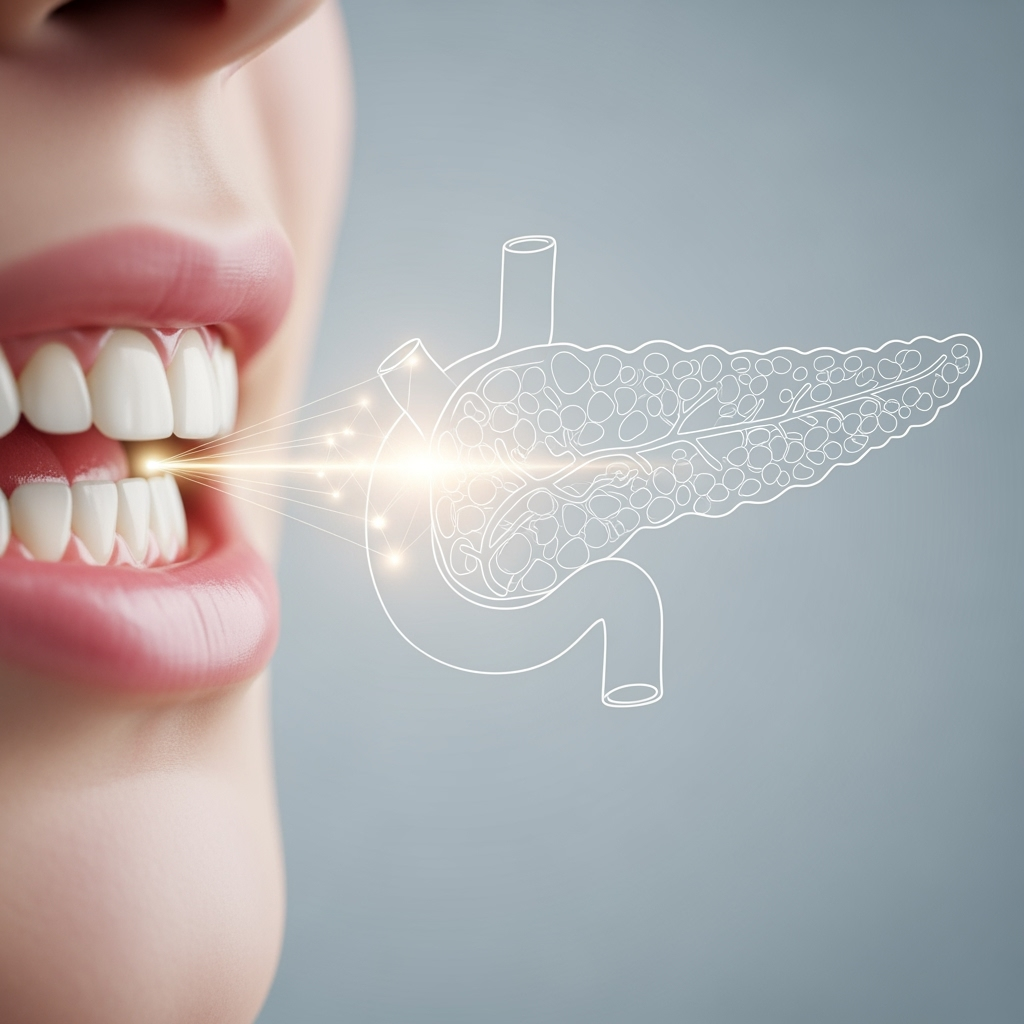
The study, whose results were published on the ‘Times of India’ website, was based on the analysis of data from two long-term studies involving about 900 American participants in cancer screening programs by the American Cancer Society. This type of cancer is considered one of the most dangerous, as its clear symptoms, such as yellowing of the skin and whiteness of the eyes, often appear in later stages. The cases were followed for about nine years, during which saliva samples were collected from participants to analyze the DNA of bacteria and fungi. A comparison was made between 445 pancreatic cancer patients and 445 non-affected individuals, taking into account factors such as smoking, age, and race. Three bacteria associated with gingivitis, which cause the deterioration of jawbones and tissues surrounding the teeth, emerged as a factor that increases pancreatic cancer risk by more than three times. Researchers also discovered, for the first time, that ‘Candida,’ naturally present in the body and on the skin, may play a role in this context. Based on oral microbiome analysis, scientists developed an assessment tool to identify individuals at higher risk, which may aid in early disease detection. Estimates indicate that smoking increases pancreatic cancer risk by 22%, while obesity increases risks by 12%. Researchers emphasize that maintaining a healthy lifestyle, exercising regularly, and keeping a balanced weight can significantly reduce these risks. The pancreas, an oval-shaped organ located behind the stomach, plays a vital role in producing digestive enzymes and hormones like insulin. However, pancreatic cancer is often diagnosed in advanced stages, reducing survival chances. In early stages, about half of the patients live for at least a year, but when the disease spreads outside the pancreas, survival rates drop to only 10%. This study highlights the importance of oral health as part of preventing serious diseases, with a call for more research to understand this link more deeply.