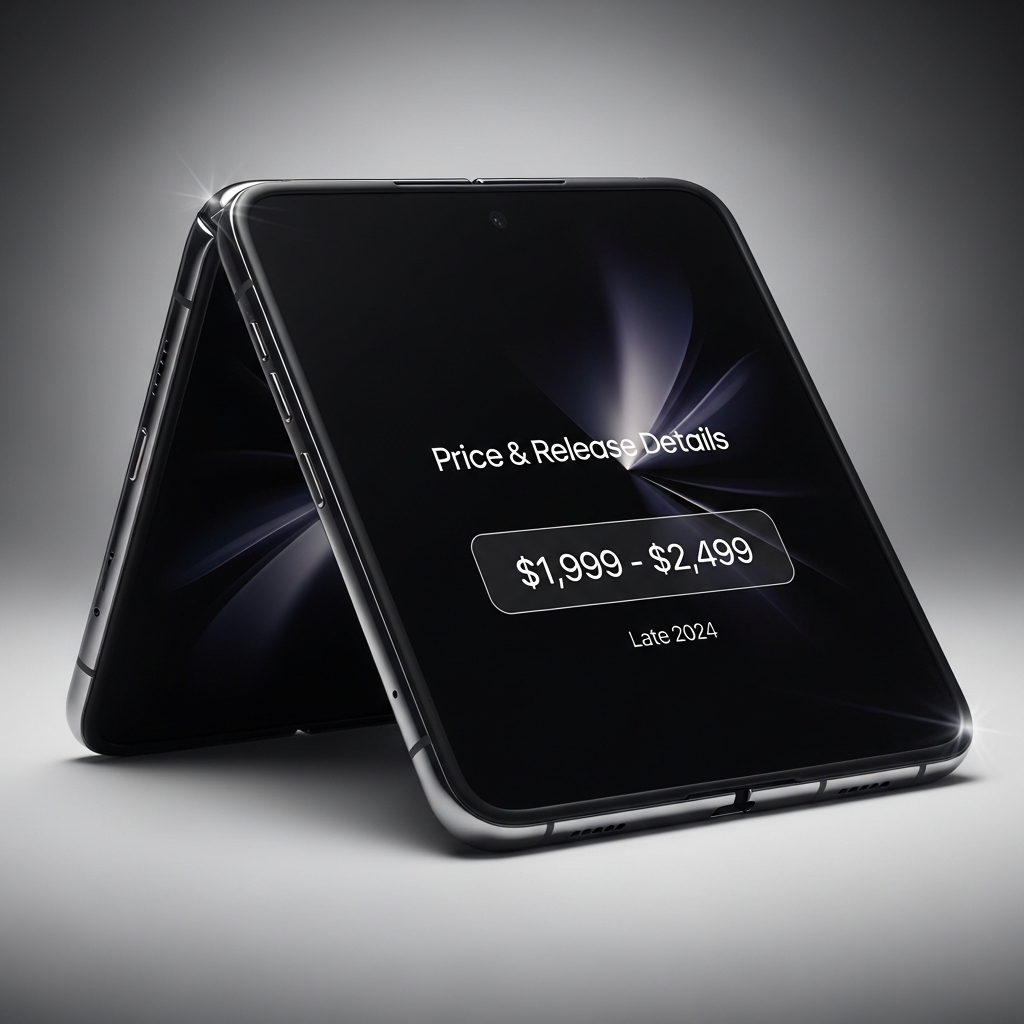
On Tuesday, December 2, Samsung introduced its innovative triple-folding phone, a limited-edition device that comes with a hefty price, making it inaccessible for most consumers.
The Galaxy Z TriFold will be available from December 12, priced at $2,443, more than double the cost of the iPhone 17.
This ultra-thin device unfolds into a 10-inch (25.4 cm) screen, providing “enhanced opportunities for creativity and productivity,” according to the South Korean tech leader.
Manufactured in South Korea, the TriFold will first be available locally on December 12, and then in China, Singapore, Taiwan, and the UAE by year-end. The U.S. release is anticipated in the first quarter of next year.
Khaleej Times has reached out to Samsung UAE for further details on the release date and pricing, which remain unconfirmed.
Stay informed with the latest updates. Follow KT on Whatsapp Channels
While Samsung’s triple-fold technology isn’t unique, as Huawei launched a similar-priced model last year, it highlights the intense competition in the smartphone industry, encouraging brands to innovate distinctively.
Offered exclusively in black, Samsung’s device weighs 309 grams (10.9 ounces) and is less than 0.2 inches thin at its slimmest part.
The phone includes generative AI features, offering real-time assistance via screen or camera sharing.
Samsung acknowledges that the Galaxy Z TriFold is “not meant for mass sales.”
Alex Lim, Samsung Electronics’ executive vice president, described it as a “special edition” item.
This launch coincides with reports suggesting that Apple might surpass Samsung as the leading smartphone manufacturer by 2029, for the first time in 14 years.
Rumors continue about Apple developing a foldable iPhone, potentially debuting next year.
Research by Counterpoint indicates Apple’s global smartphone market share may hit 19.4% by 2025, with Samsung at 18.7%, marking a potential shift in industry leadership.
(Inputs from Reuters)