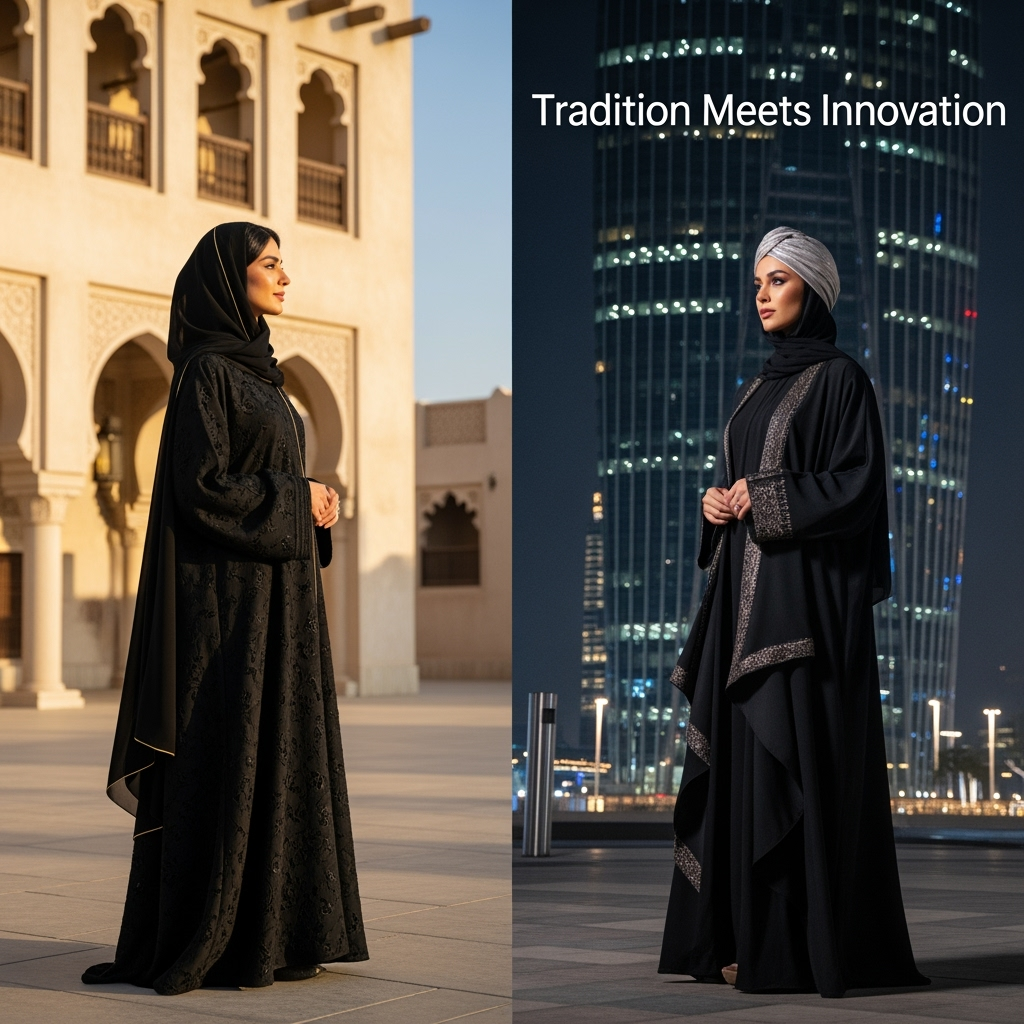
To understand a culture’s essence, delve into its traditions. A prime example is the attire its people choose, and in the UAE, the throbe—also known as the dishdasha or kandura—serves as a cultural emblem. This garment reflects the UAE’s values of simplicity, strategic design, tech-driven evolution, and practical living.
The kandura’s roots stretch back to pre-Arabia times. In Félix Mengin’s book, History of Egypt under the government of Mohammed Ali (1823), the ruler of the first Saudi state, Imam Abdullah Bin Saud Al Saud, is depicted wearing a silhouette resembling today’s version.
Commonly worn in white, the kandura is paired with the shemagh and ghutrah. This attire is a source of pride for Emiratis, exemplified when astronaut Sultan Al Neyadi donned it aboard the International Space Station during Eid 2023. “It was a proud moment for us, the UAE, and the Arab world,” shares Ahmed AlHashimi, co-founder of Signature Yashamgh, the brand behind the outfit. “Sultan Al Neyadi brought his Emirati identity to space, wearing a specially designed Signature Yashmagh ghutrah, symbolizing our heritage reaching new frontiers.”
Signature Yashamgh focuses on the essentials that define this iconic outfit. “They are potent symbols of Arab identity, acting as a cultural ‘flag’ that connects the wearer to the region. They provide a foundation for innovation while preserving tradition,” explains AlHashimi.
Yet, merely maintaining tradition isn’t enough, assert founders Mishal Almarzooqi and Khalid Belhoul. They advocate for designs that embody contemporary times. “We noticed a gap in the market: traditional attire was heavy and uncomfortable in the Gulf’s heat,” says Al Neyadi. “After research, we launched a lightweight cotton shemagh in May 2019, selling over 3,000 units in the first year.”
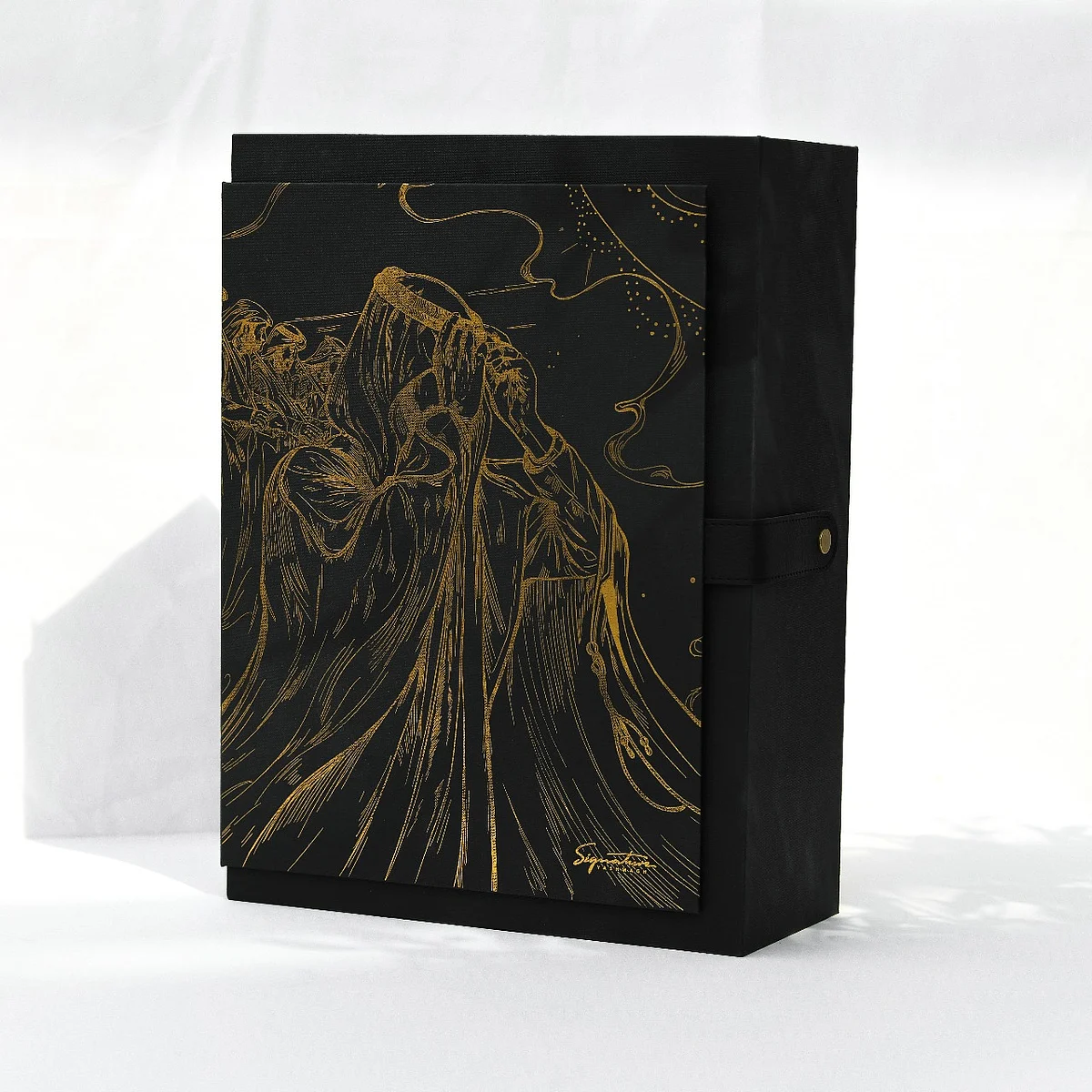
Al Neyadi adds that polyester ghutrahs can emit odors in sunlight and sweat. To combat this, they developed a lightly fragranced ghutrah spray.
Signature Yashamgh invests in R&D for climate-resilient, comfortable products. Their innovation journey also led to Subha, a brand offering 3D-printed eco-friendly prayer beads in modern colors for younger audiences, available online or at the Museum of the Future and Louvre Abu Dhabi.
“We see ourselves as both a fashion label and a tech-driven design lab,” Al Neyadi notes.
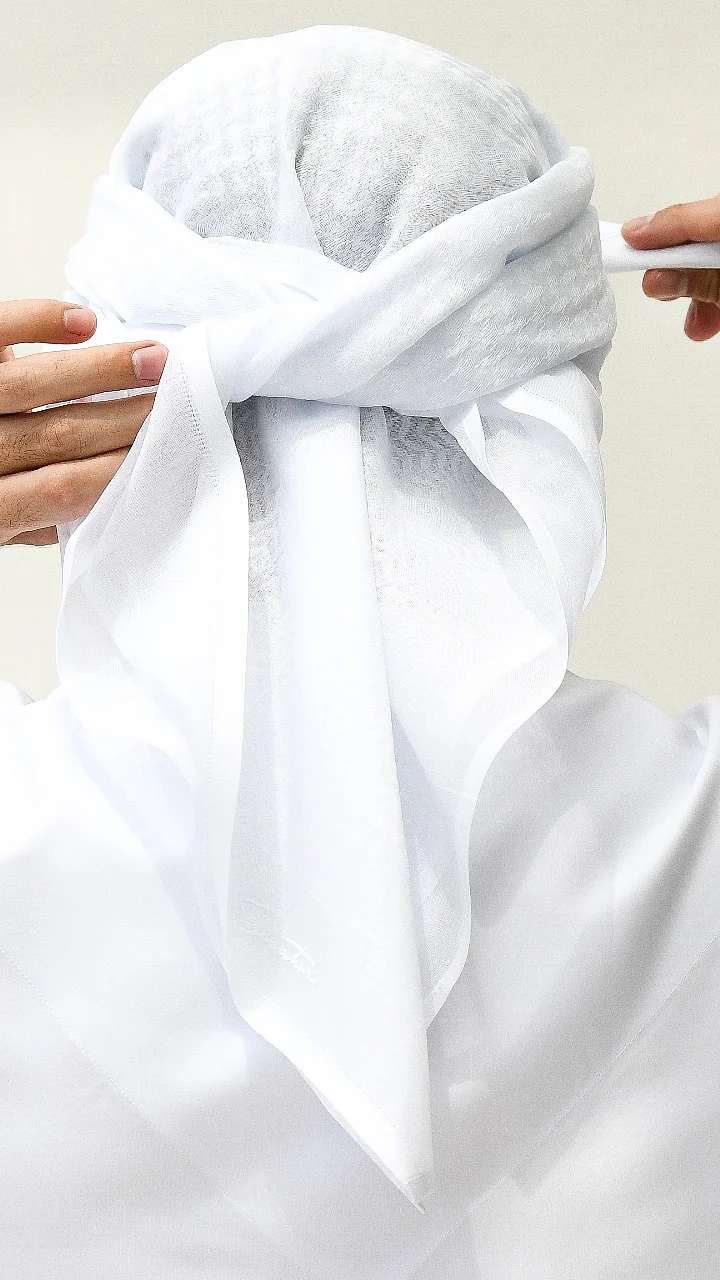
Technology enhances design accessibility, exemplified by the Asamah, a pre-styled ghutrah cap. For tourists unfamiliar with Arab attire, AR filters and tutorials provide guidance. “We’re developing user-friendly products for tourists and supporting them with multilingual campaigns,” adds Al Neyadi.
Future-focused, the brand is creating smarter, lighter, breathable fabrics. “Our aim is to introduce Emirati fashion globally, in airports, museums, and fashion hubs,” says the founder.
The company is also seeking collaborative opportunities, already partnering with entities in Saudi Arabia and Bahrain.
However, challenges persist in accessing manufacturers and shifting perceptions about the shemagh and ghutrah. “We still face hurdles convincing tourism and retail outlets to showcase authentic Emirati products,” says AlHashimi.
The idea for a luxury brand emerged in 2019 when the founders realized these items were undervalued as secondary accessories, despite their cultural significance. “We wanted to redefine them as lifestyle products, blending heritage with modern retail standards,” states AlHashimi.
As proud Emiratis, the founders are devoted to representing their culture through fashion.