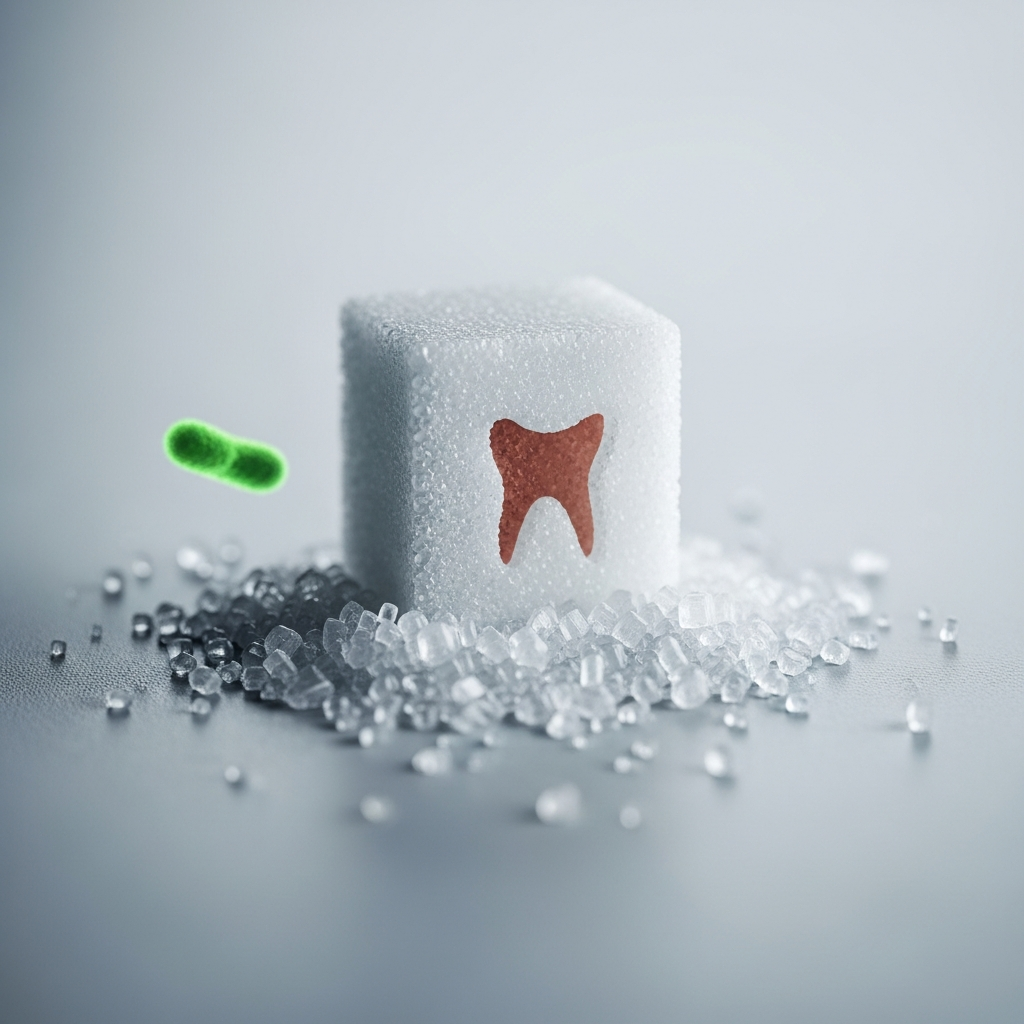
Consuming sugar causes a rapid transformation in the oral microbiome. Within moments of consumption, bacteria such as ‘Streptococcus mutans’ convert sugars into lactic acid, significantly lowering the acidity levels in the mouth. This acidic environment suppresses beneficial microbes and promotes the growth of pathogens that cause cavities, as reported in the scientific journal.
The primary mechanism involves the breakdown of glucose, where sugar ferments into acids that demineralize the surfaces of teeth. Hydroxyapatite in tooth enamel dissolves when the pH decreases, forming microscopic pits that are susceptible to further decay.
Saliva eventually neutralizes this effect, but frequent sugar exposure hinders natural remineralization. Sugar consumption habits also enhance biofilms, a sticky layer that harbors acid factories resistant to brushing.
Over time, this leads to tooth decay, gum disease, and potential tooth loss. Studies indicate that reducing sugar intake limits these pathogenic causes.